
The reference
Media Codes & Conventions
Media codes and conventions are the techniques and shared expectations media producers use to construct meaning.
Codes are the signs an audience reads — camera angles, lighting, colour, setting, costume, sound and language. Conventions are the accepted ways those codes are combined within a genre or form. Reading them, and explaining their effect on an audience, is the core skill of media analysis.
This guide explains every code and convention, grouped into four families — symbolic codes, technical codes, written codes, and the conventions of story, genre and form — and shows each one at work in real film scenes. Every page applies the COCA framework: Contention, Observation, Connotation, Audience.
04 codes
Symbolic codes
The meanings carried by what is shown in a media product — setting, mise en scène, acting and colour.
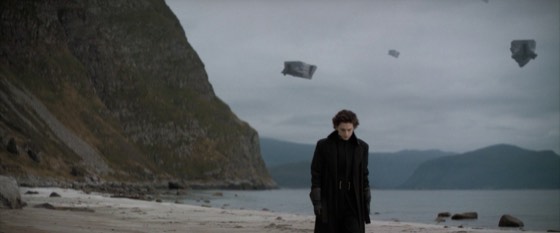
Setting
Where and when a story takes place, and how location, period and place are used to carry meaning.
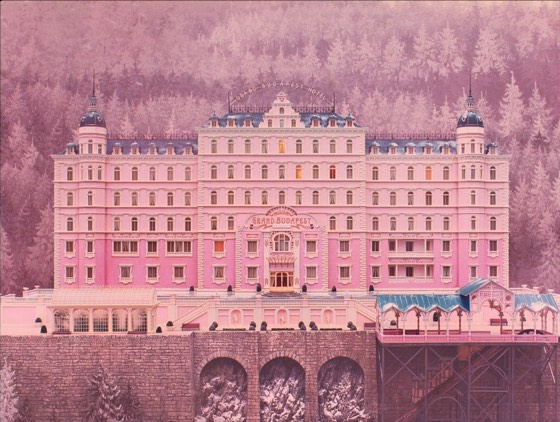
Mise en Scène
Everything arranged within the frame — set, props, costume and visual composition — and what that arrangement means.
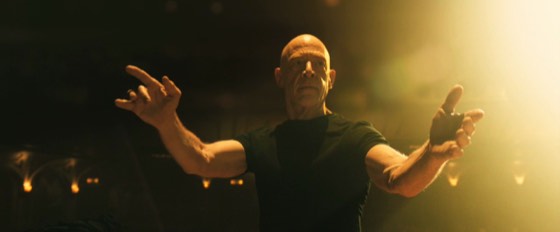
Acting
Performance as a code — facial expression, body language, voice and movement used to build character and meaning.

Colour
How palette, saturation and contrast are used to set mood, link ideas and direct the audience's eye.
04 codes
Technical codes
The meanings created by how a product is captured and assembled — camerawork, editing, audio and lighting.

Camerawork
How the camera is operated, positioned and moved for effect — shot size, angle, movement, exposure and lens choice.

Editing
How shots are selected, ordered and timed — from continuity cutting to montage, rhythm and the structuring of time.
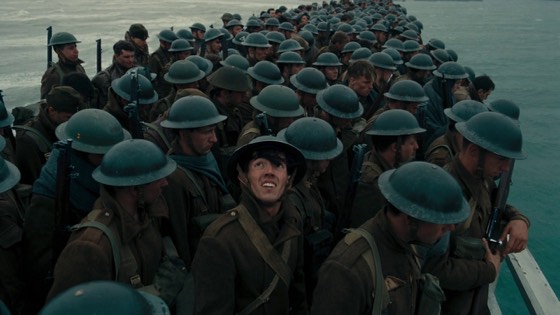
Audio
Everything we hear — dialogue, sound effects, music and silence — and the crucial split between diegetic and non-diegetic sound.
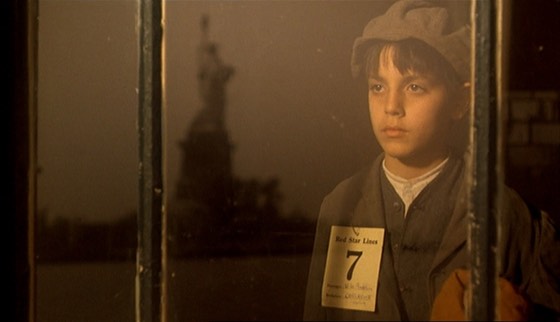
Lighting
How light and shadow are shaped to model a subject, set mood and direct the eye — high key, low key and film noir.
02 codes
Written codes
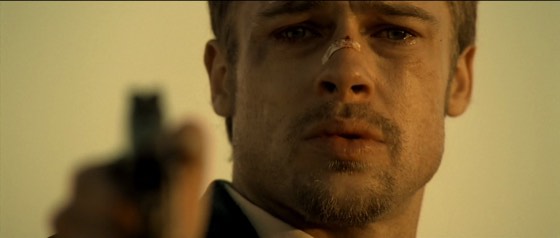
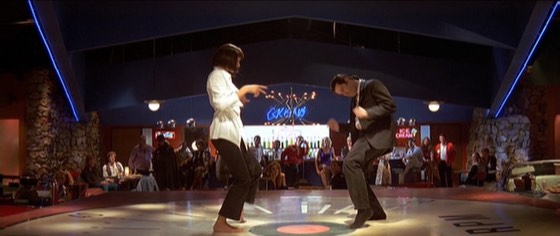
The printed and spoken language within a media product — headlines, captions, dialogue and titles.
03 codes
Conventions
The shared storytelling patterns audiences expect — the conventions of story, genre and form.
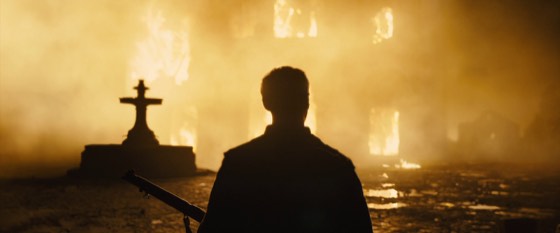
Form Conventions
The expected ways a media form is constructed — continuity editing, narrative structure and the patterns that make a product easy to read.
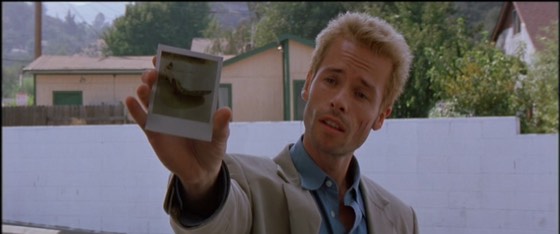
Story Conventions
The shared storytelling patterns audiences expect — structure, character roles, openings, point of view and the ordering of time.

Genre Conventions
The tropes, characters, settings and themes audiences associate with a genre — and the expectations they create.
Common questions
Media codes & conventions, answered
What are media codes and conventions?
Media codes and conventions are the techniques and shared expectations media producers use to construct meaning. Codes are the signs an audience reads — camera angles, lighting, colour, setting, costume, sound and language — while conventions are the accepted ways those codes are combined within a genre or media form.
What is the difference between a code and a convention?
A code is an individual sign that carries meaning, such as a low camera angle, a red colour or a hand-held shot. A convention is the established way codes are combined within a genre or form — for example, the convention that horror uses low-key, shadowy lighting to build suspense.
What are the three types of media codes?
Media codes fall into three groups. Symbolic codes are the meanings carried by what is shown — setting, mise en scène, acting and colour. Technical codes are created by how a product is captured and assembled — camerawork, editing, audio and lighting. Written codes are the printed and spoken language within a product, such as headlines, captions and dialogue.
What are symbolic codes in media?
Symbolic codes are the meanings carried by what appears in the frame rather than how it is filmed — the setting, the arrangement of the frame (mise en scène), the performances of the actors, and the use of colour.
What are technical codes in media?
Technical codes are the meanings created by how a media product is captured and put together — the camerawork (shot size, angle and movement), the editing, the audio, and the lighting.
What are conventions in media?
Conventions are the generally accepted ways codes are organised within a media product. Form conventions are the expected structures of storytelling — narrative structure, character and point of view. Genre conventions are the codes audiences associate with a particular genre, such as the shadowy lighting of film noir.
How do you analyse media codes and conventions?
Identify the code, describe exactly what it is doing, explain what it connotes, then link that to the effect on the audience. Axis of Action uses the COCA framework — Contention, Observation, Connotation, Audience — and pairs every code with real film scenes that demonstrate it.