Media Codes & Conventions / Technical codes
Technical codes
Audio
Audio is the technical code of sound in a media product — dialogue, sound effects and music — used naturalistically or expressively to build mood, realism, tension and meaning.
Audio is everything the audience hears, and it does at least as much emotional work as the image — often without us noticing. Cinema is sometimes described as a visual medium, but try watching a horror scene with the sound off and it loses almost all of its power. The first and most useful question to ask of any sound is simple: where does it come from?
Audio works closely with editing, which cuts picture and sound together, and shades into spoken language, which studies the words where audio studies their sound. There are four layers to listen for — dialogue, sound effects, music and silence — and one structural question that sits above them all: diegetic or non-diegetic.
Diegetic vs non-diegetic
This is the most important distinction in film sound.
- Diegetic sound exists inside the world of the story — dialogue, footsteps, a slammed door, a car radio. The characters could hear it too.
- Non-diegetic sound is added for the audience and sits outside the story world — the orchestral score, a voice-over narrator, a sound effect with no on-screen source.
The line between them is one of cinema’s favourite toys. A song that seems to be non-diegetic score until a character reaches over and switches it off snaps us suddenly into their reality. A sound bridge — sound from the next scene starting before we cut to it, or a sound from the last scene lingering — uses the same border to smooth or to unsettle a transition.
Dialogue
The most direct layer of sound is dialogue — but as audio, the interest is less in what is said than in how it is recorded and mixed: close and intimate, or distant and lost in a crowd; clean, or buried under noise so we strain to hear. (The language itself — accent, phrasing, subtext — belongs to spoken language.)
Sound effects
Sound effects build the texture of a world, and they run from the realistic to the frankly unreal:
- Foley is the everyday sound recorded in post-production — footsteps, cloth, a punch — to make the image feel physical.
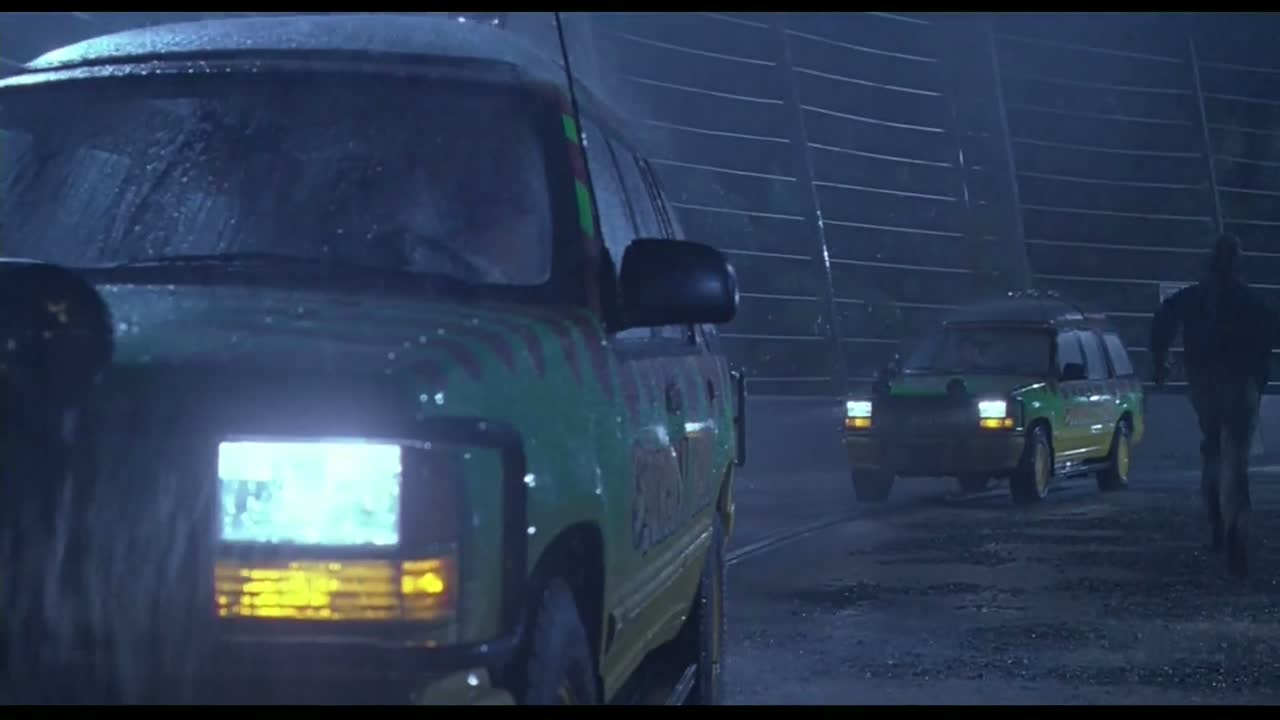
- Ambient sound (or atmos) is the wash of a place: traffic, birdsong, the hum of a room. Its sudden absence is instantly ominous.
- Expressive (hyperreal) sound exaggerates or invents a sound for effect — the impossibly loud crunch, the heartbeat that should not be audible — pushing past realism toward feeling.
Music and score
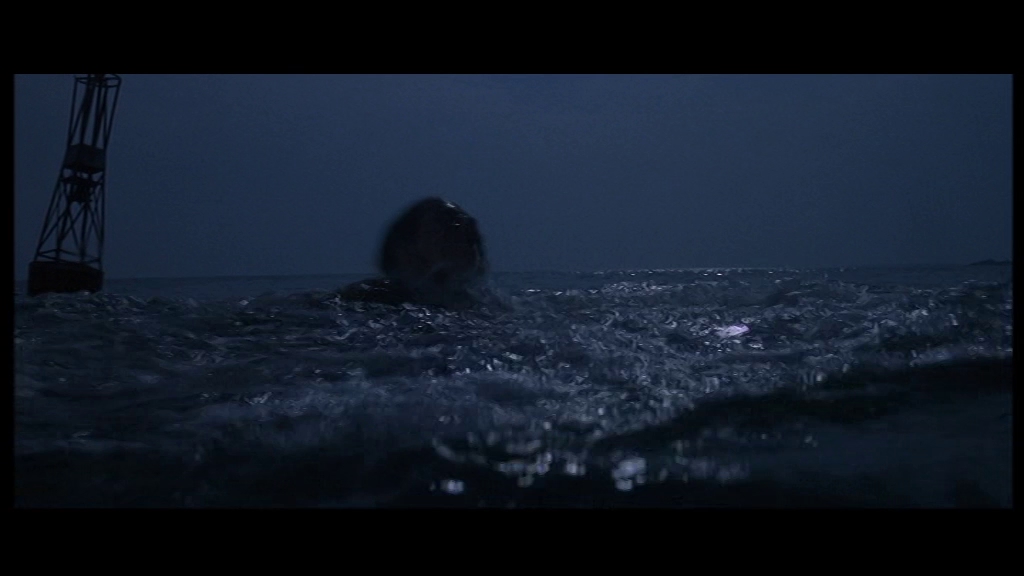
Music is the strongest single steer on how we are meant to feel, and it usually reaches us before we have consciously registered it. A composer can attach a leitmotif — a short, recurring musical phrase — to a character or idea so that the music announces them before they appear: the two-note approach of the shark in Jaws, the Imperial March that travels with Darth Vader, the shrieking strings of Psycho. Watch for the moment music tells you something the image is hiding.

Silence
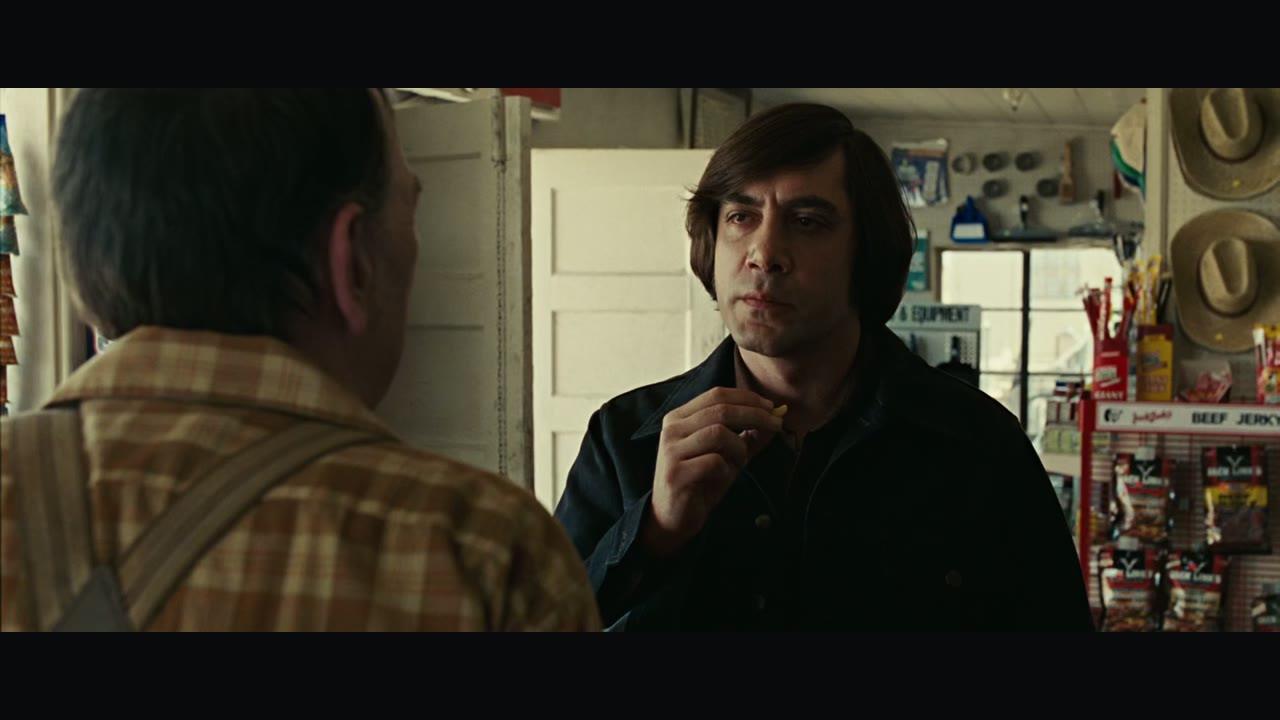
The deliberate absence of sound is itself a technique, and it can be louder than any effect. A sudden cut to silence isolates a character, marks a shock, or hands tension straight to the audience — used across a whole film in A Quiet Place, where sound is a matter of life and death, and in the held, scoreless stillness of No Country for Old Men.
Analysing audio with COCA
A strong analysis names a Contention, supports it with an Observation, explains the Connotation, and connects it to the Audience.