
C 01
Contention
Your claim — what the filmmaker is doing in the scene, and to what end.
A field guide to film form
The symbolic, technical and written codes of film — explained with precision, then shown in the scenes that prove them. Every idea links to the moment it lives in.
01 — The reference

How the camera is operated, positioned and moved for effect — shot size, angle, movement, exposure and lens choice.

How shots are selected, ordered and timed — from continuity cutting to montage, rhythm and the structuring of time.
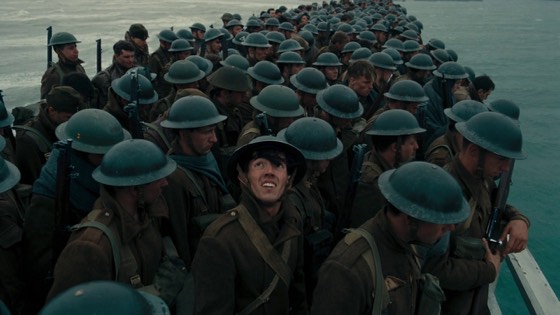
Everything we hear — dialogue, sound effects, music and silence — and the crucial split between diegetic and non-diegetic sound.
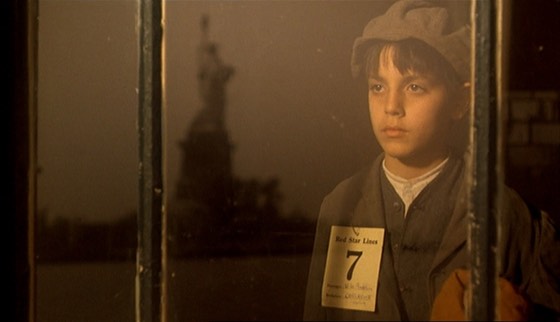
How light and shadow are shaped to model a subject, set mood and direct the eye — high key, low key and film noir.
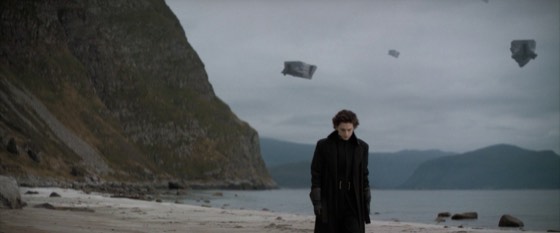
Where and when a story takes place, and how location, period and place are used to carry meaning.
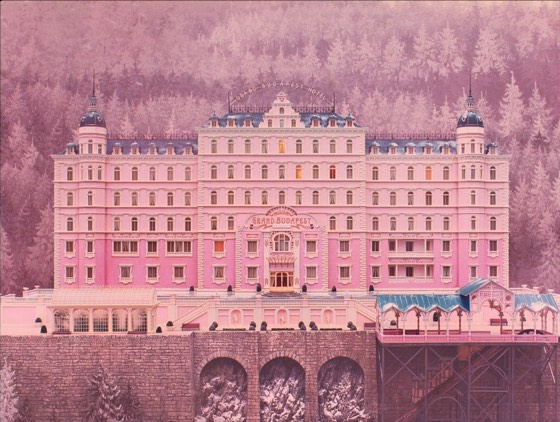
Everything arranged within the frame — set, props, costume and visual composition — and what that arrangement means.
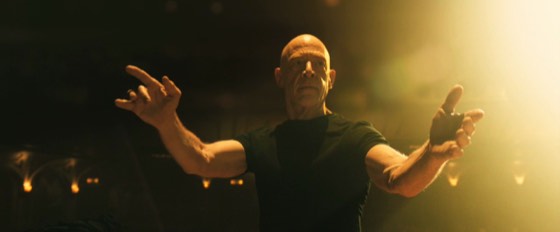
Performance as a code — facial expression, body language, voice and movement used to build character and meaning.

How palette, saturation and contrast are used to set mood, link ideas and direct the audience's eye.
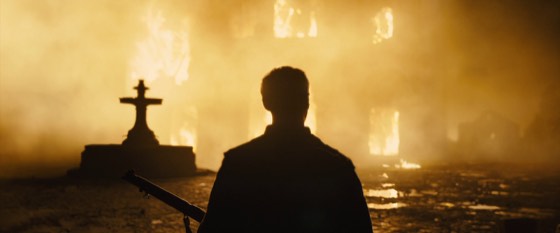
The expected ways a media form is constructed — continuity editing, narrative structure and the patterns that make a product easy to read.
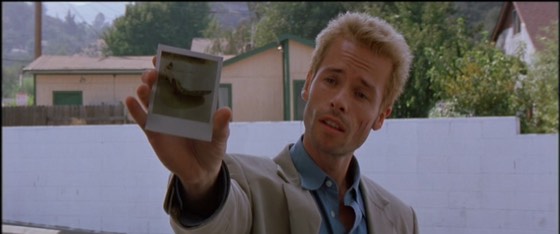
The shared storytelling patterns audiences expect — structure, character roles, openings, point of view and the ordering of time.

The tropes, characters, settings and themes audiences associate with a genre — and the expectations they create.
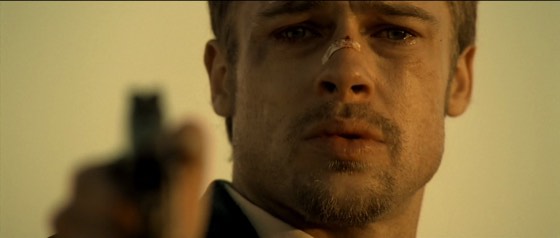
The on-screen text within a media product — intertitles, subtitles, credits, titles and signs — and how it anchors meaning.
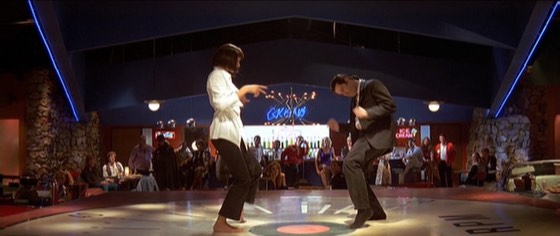
The words characters speak — dialogue, voiceover, accent and delivery — and the meaning carried by language itself.
02 — The evidence
03 — The method
A single shot, read four ways — the through-line from one frame to the meaning of the whole film.
Your claim — what the filmmaker is doing in the scene, and to what end.
The evidence — the exact code you can see or hear at work in the frame.
The meaning — what that choice suggests, implies or symbolises.
The effect — how the choice positions the audience to think and feel.
04 — The transmission
Essays on film, teaching and the moving image — plus new scenes and codes as they land on the site. Free, straight to your inbox.