Media Codes & Conventions / Technical codes
Technical codes
Camerawork
Camerawork is the technical code of how a camera is operated, positioned and moved — its shot size, angle, movement, exposure and lens — to shape what an audience sees and how they feel about it.
Camerawork refers to how the camera is operated, positioned and moved to create specific effects. Together with editing and lighting it forms the technical codes of film — the choices a crew makes to shape what an audience sees and how they feel about it.
Shot size
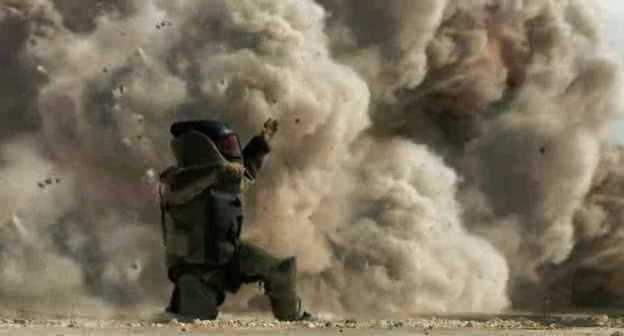
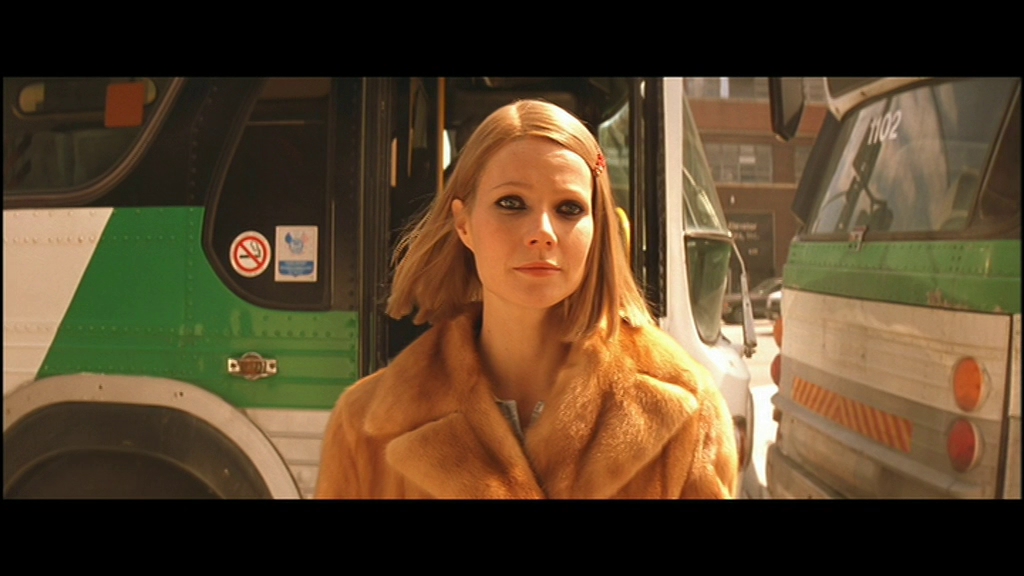
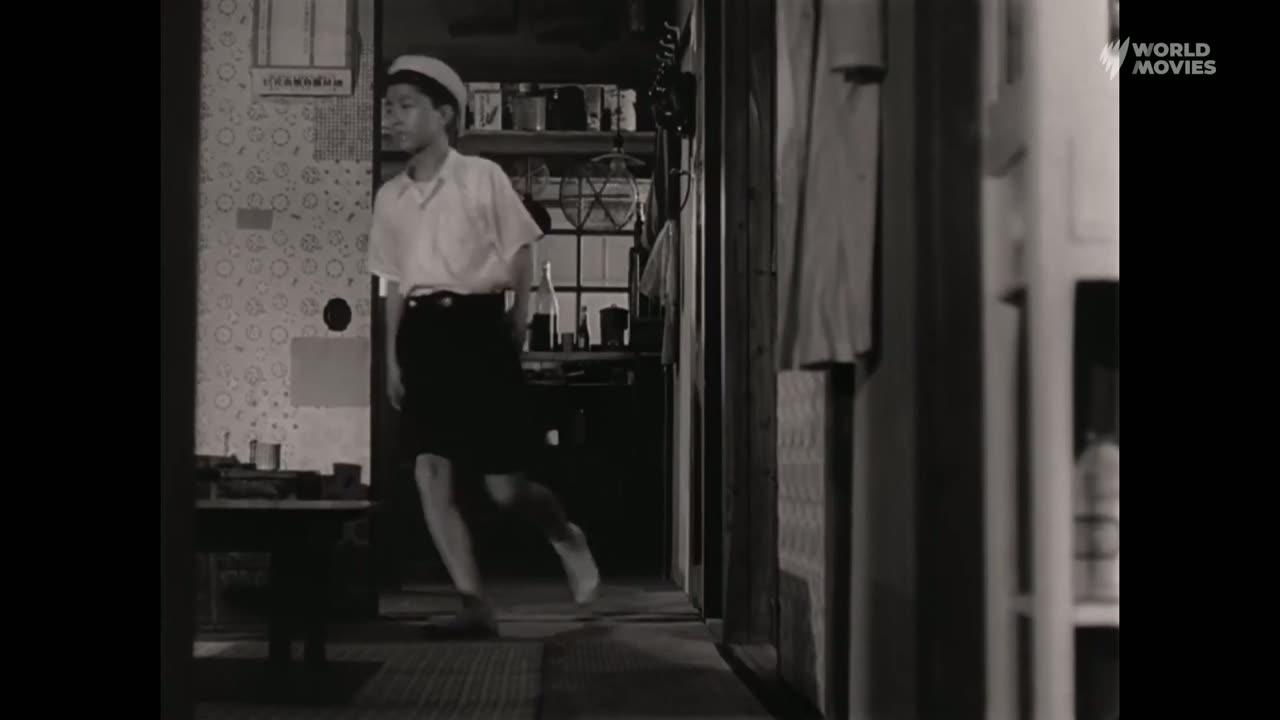
Shot size describes how much of the subject fills the frame. As a rough rule, the wider the shot the more we read context; the tighter the shot the more we read emotion.
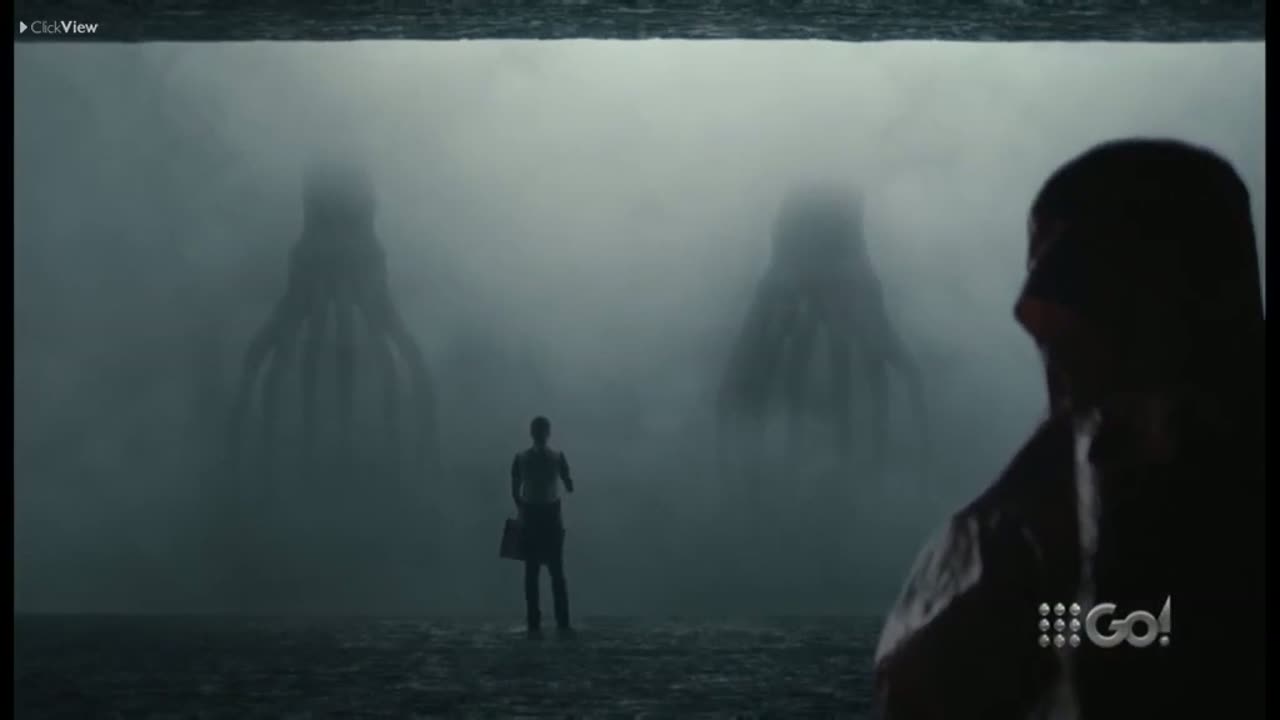
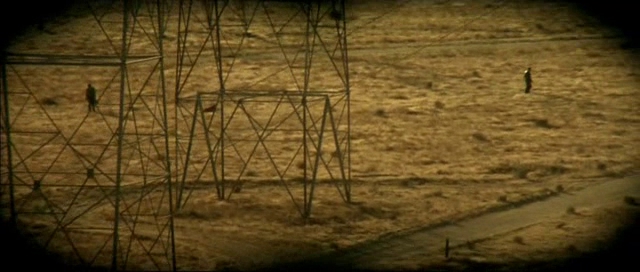
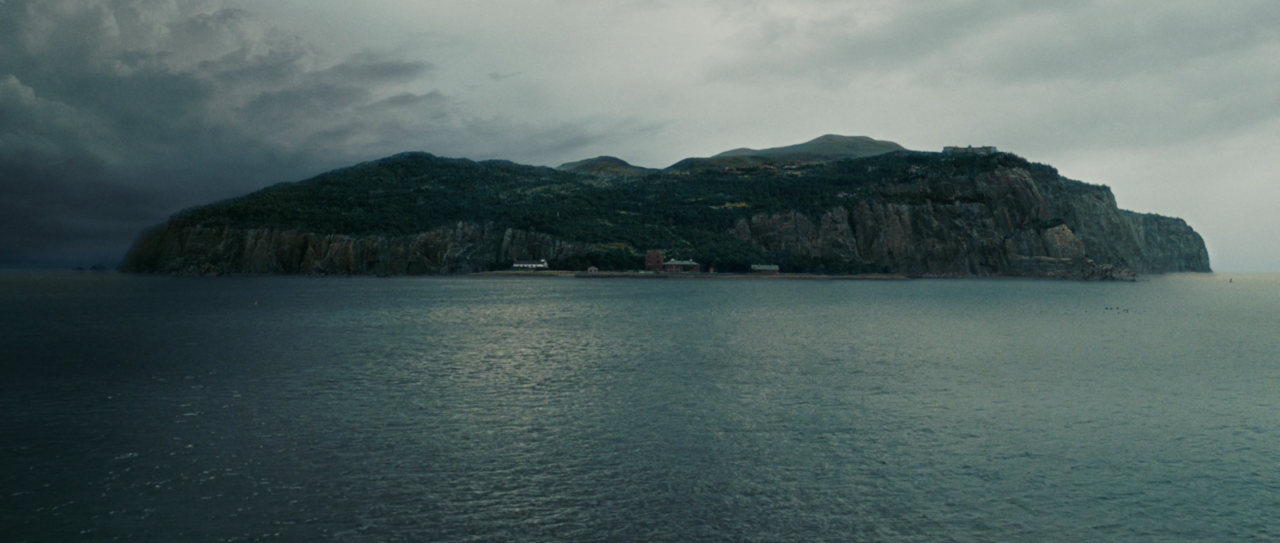
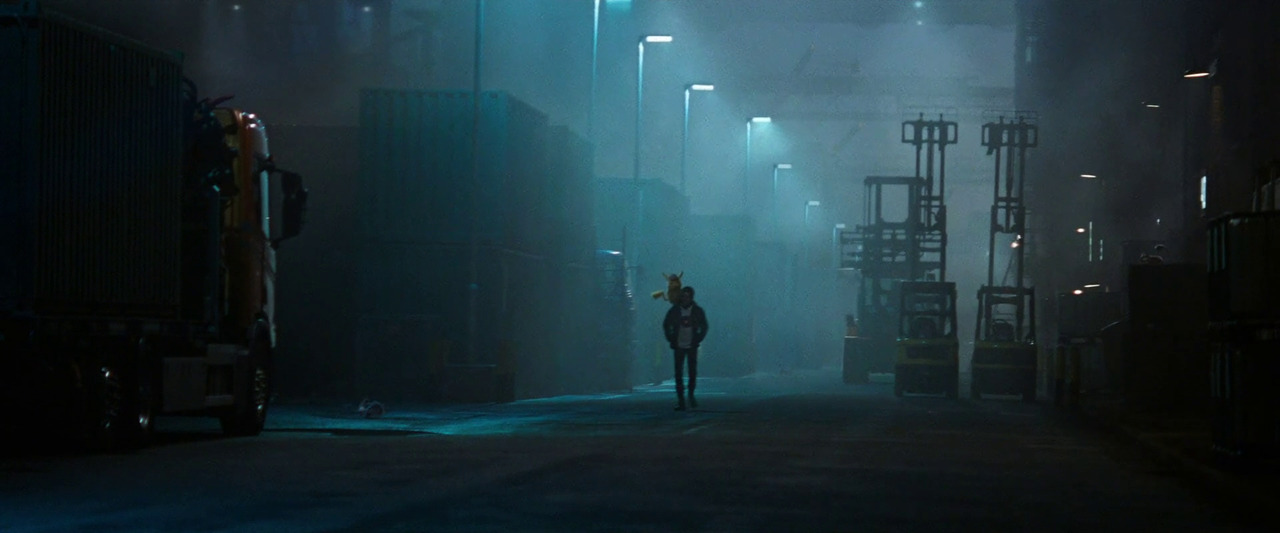
Extreme long shot
The character is almost lost in the environment. Connotation — the place matters more than the person, or we are being introduced to where a scene happens.
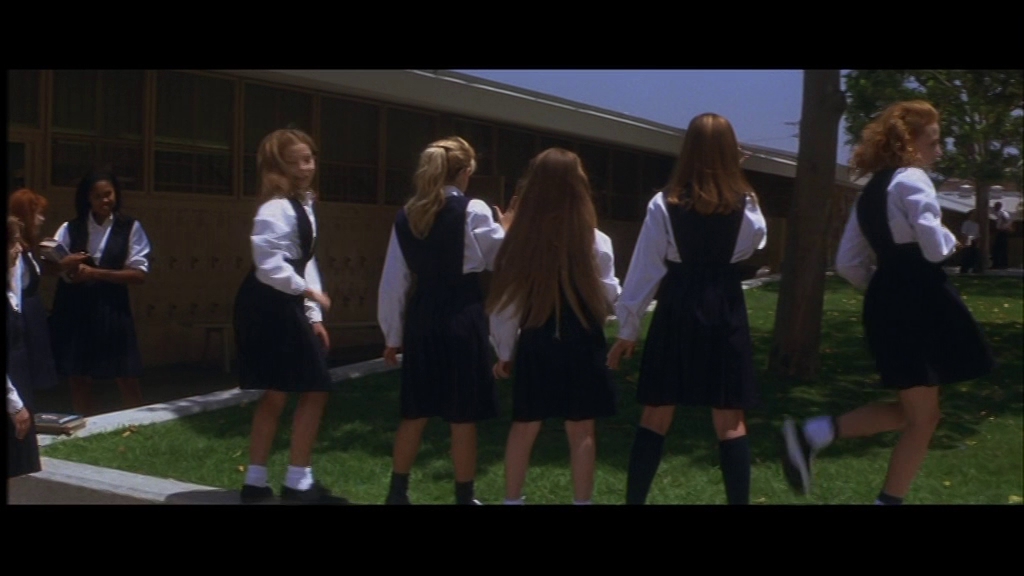
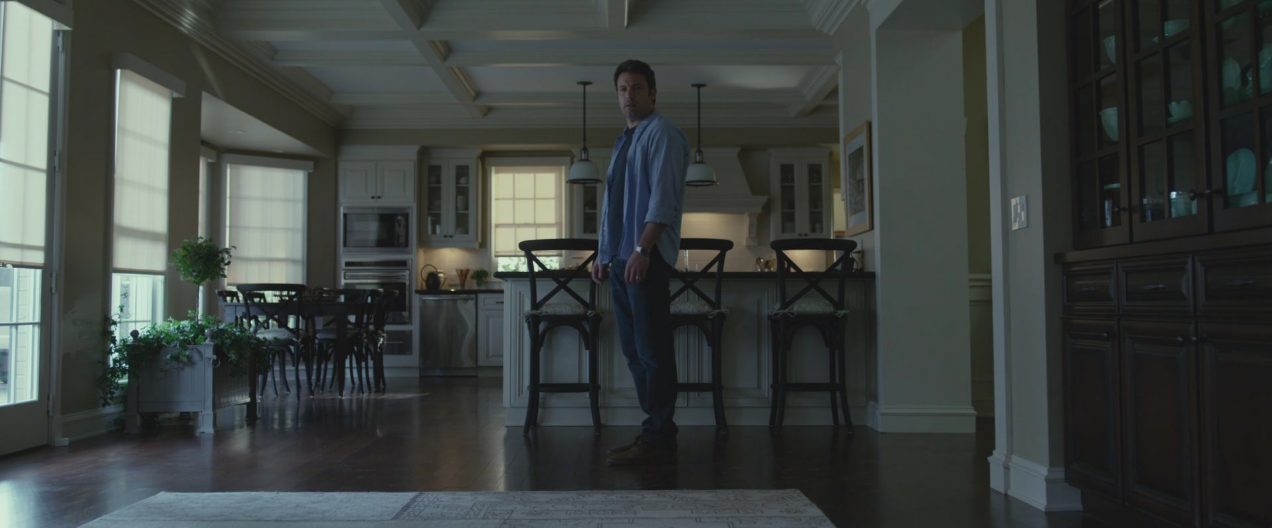
Long shot
The whole body is visible. Connotation — places the character in the context of their surroundings.
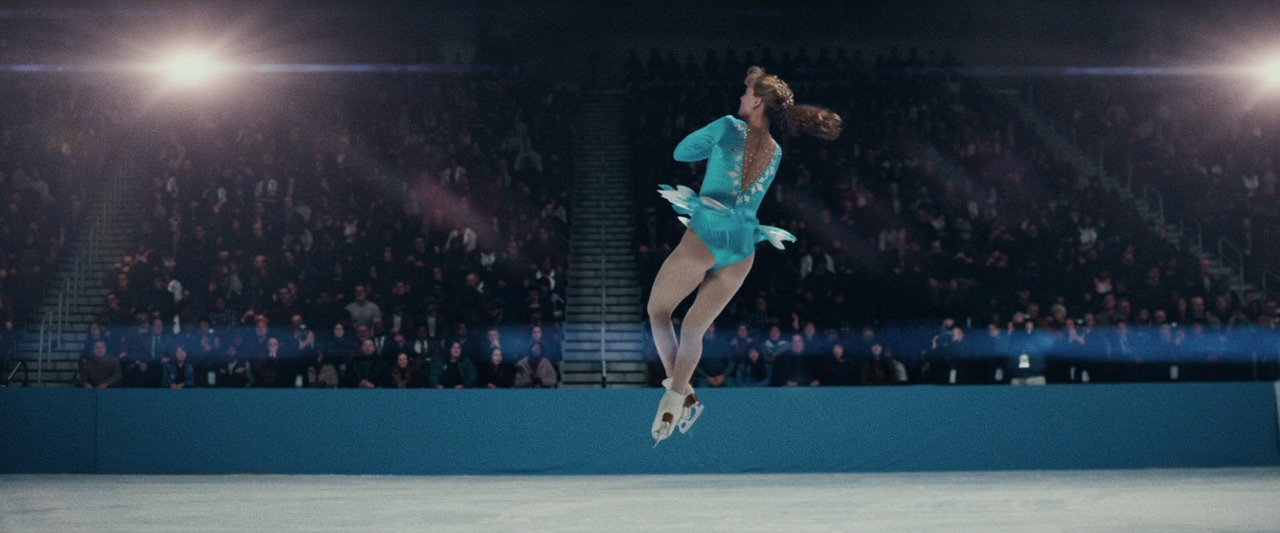
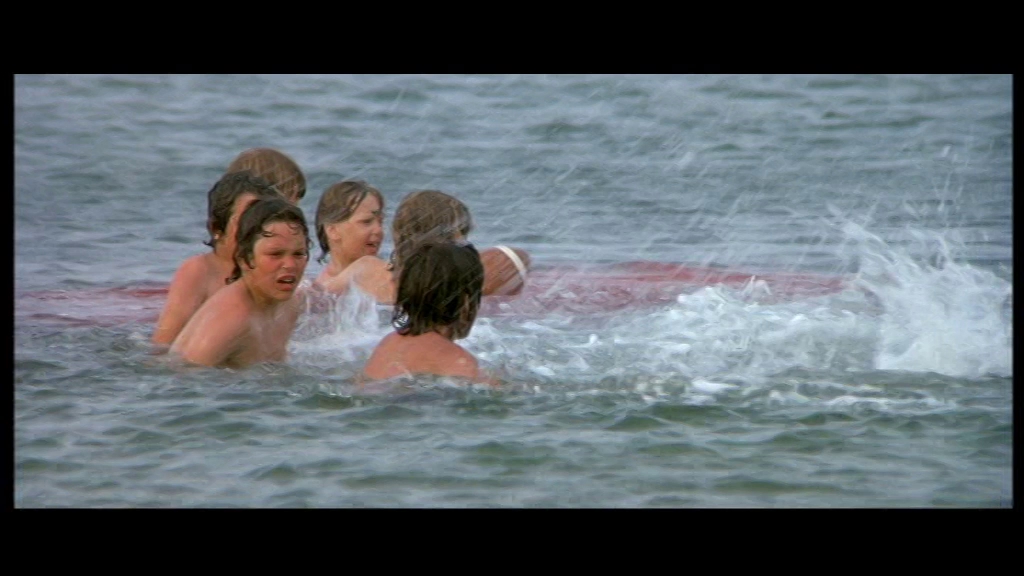
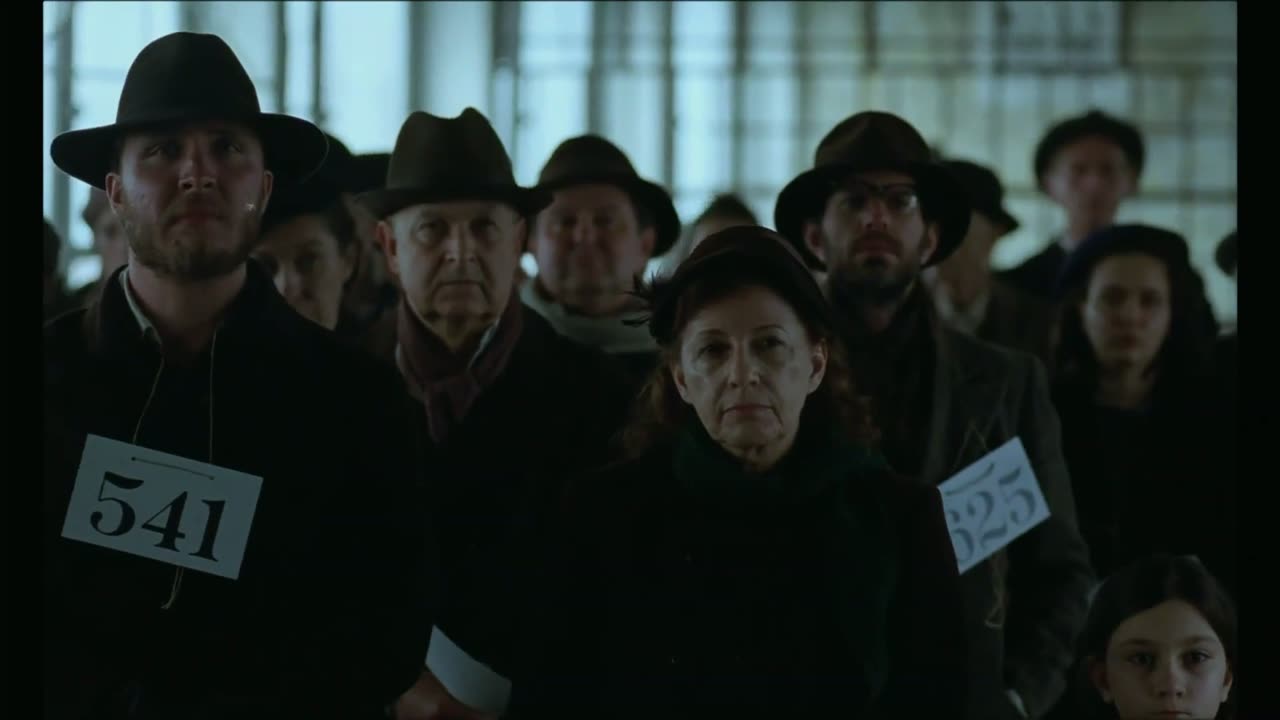
Mid shot
From roughly the waist up. Connotation — balances character and environment; a natural “conversation” distance.
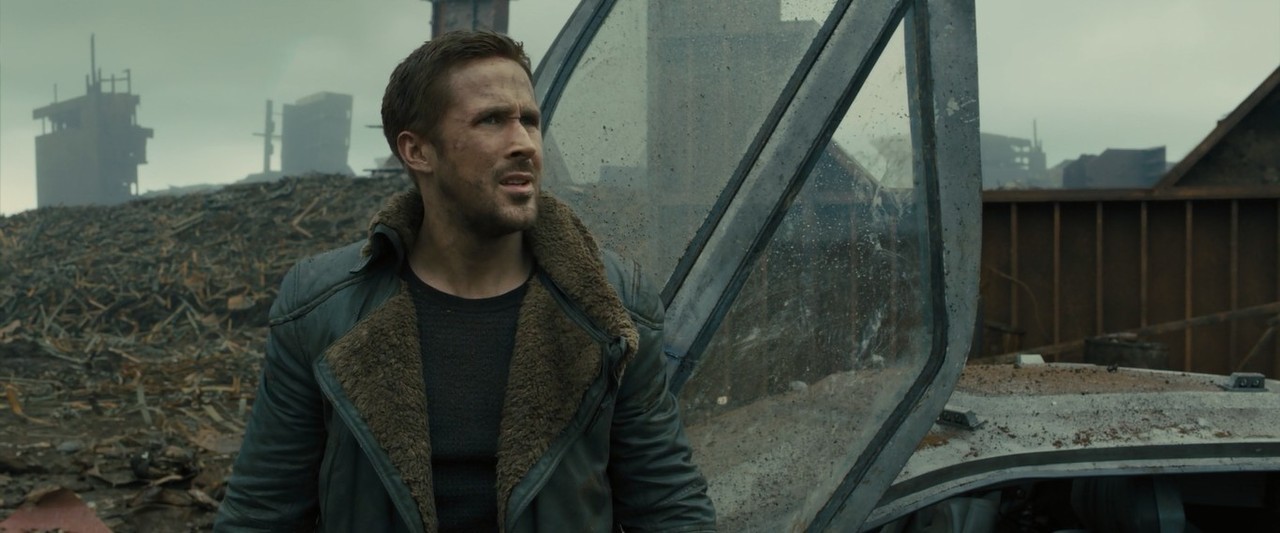
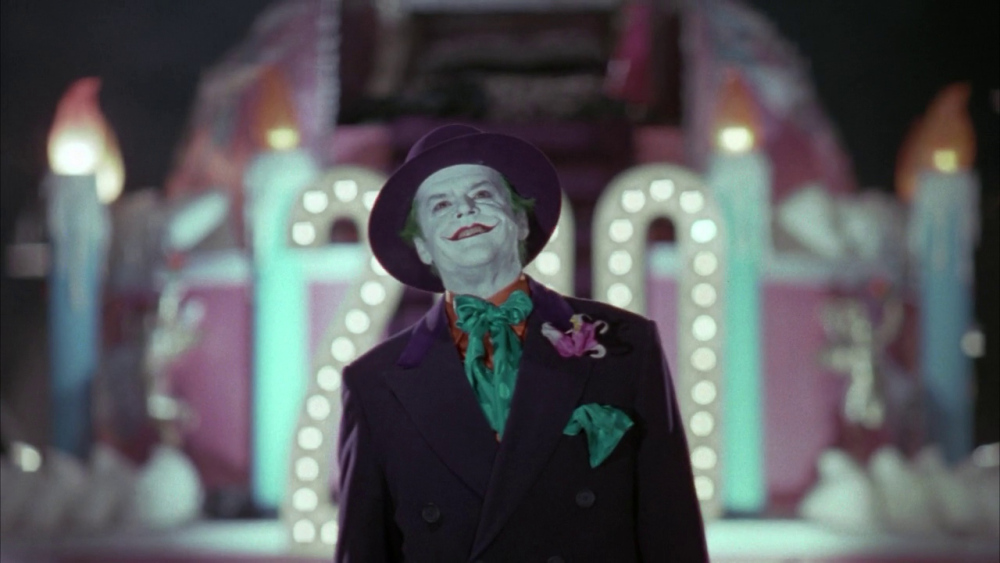
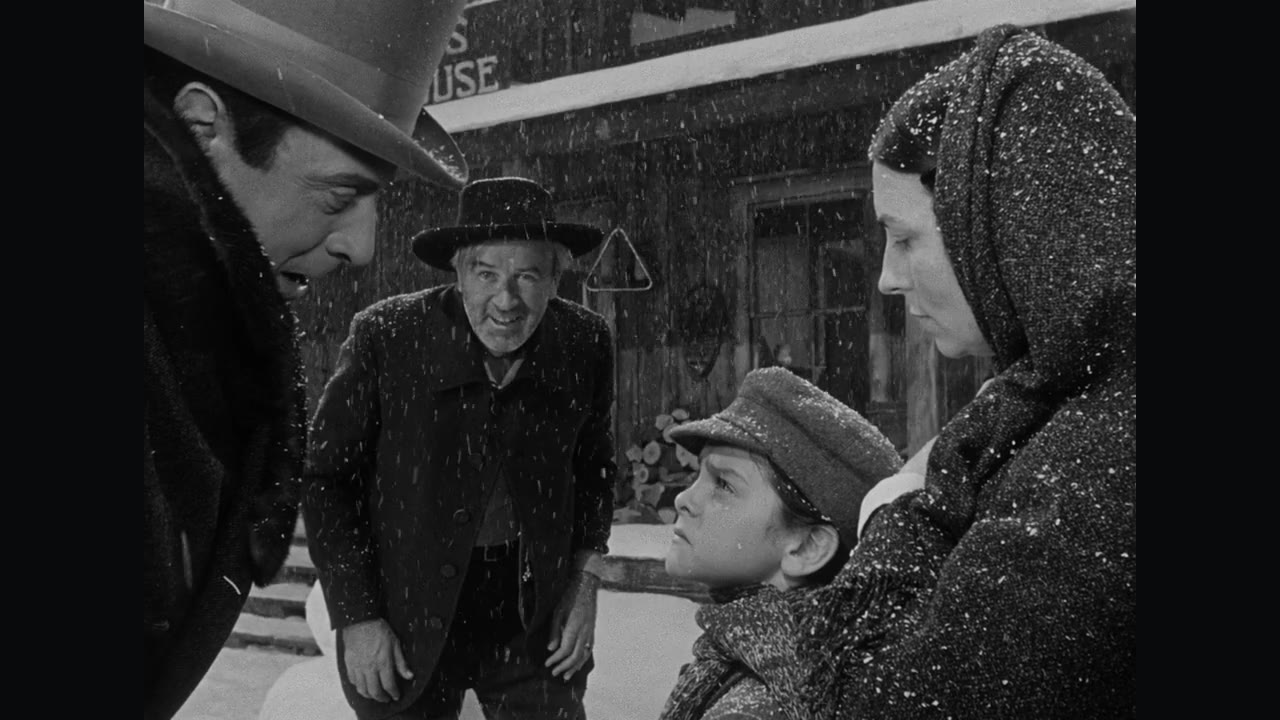
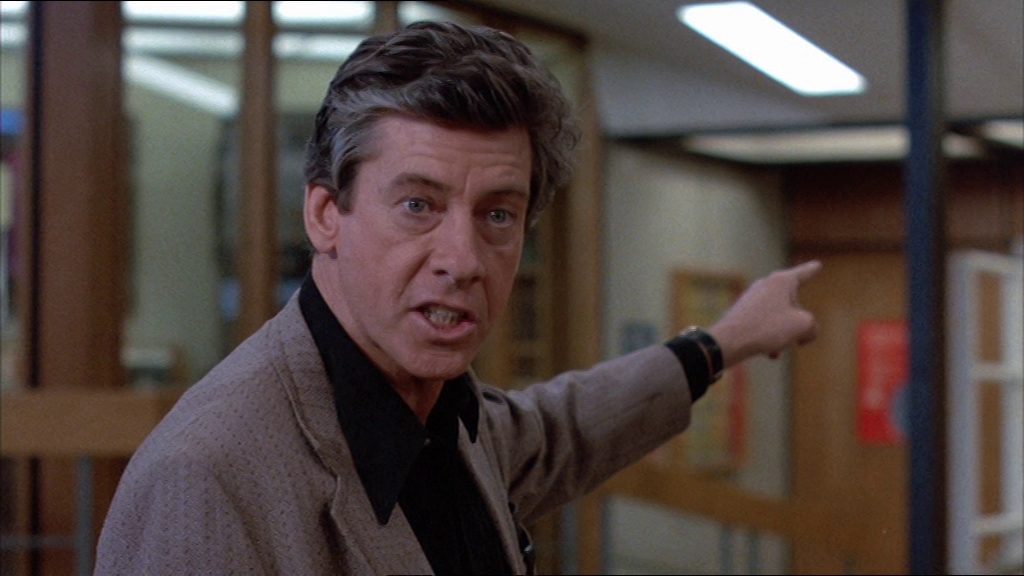
Medium close-up
From the chest up. Connotation — a more emotional view of a character without getting uncomfortably close.
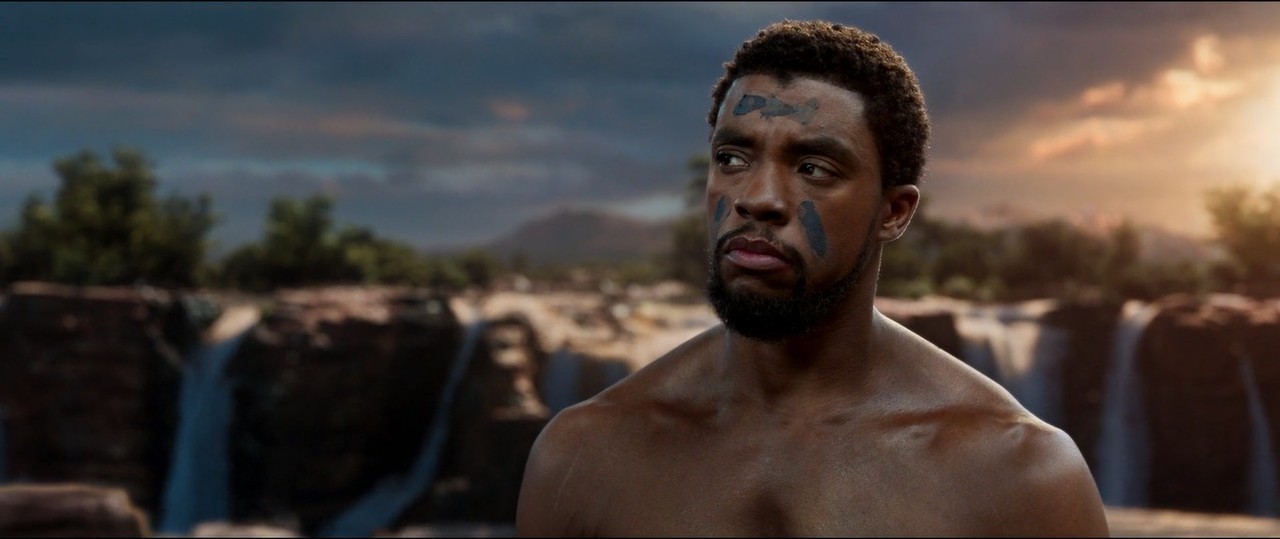
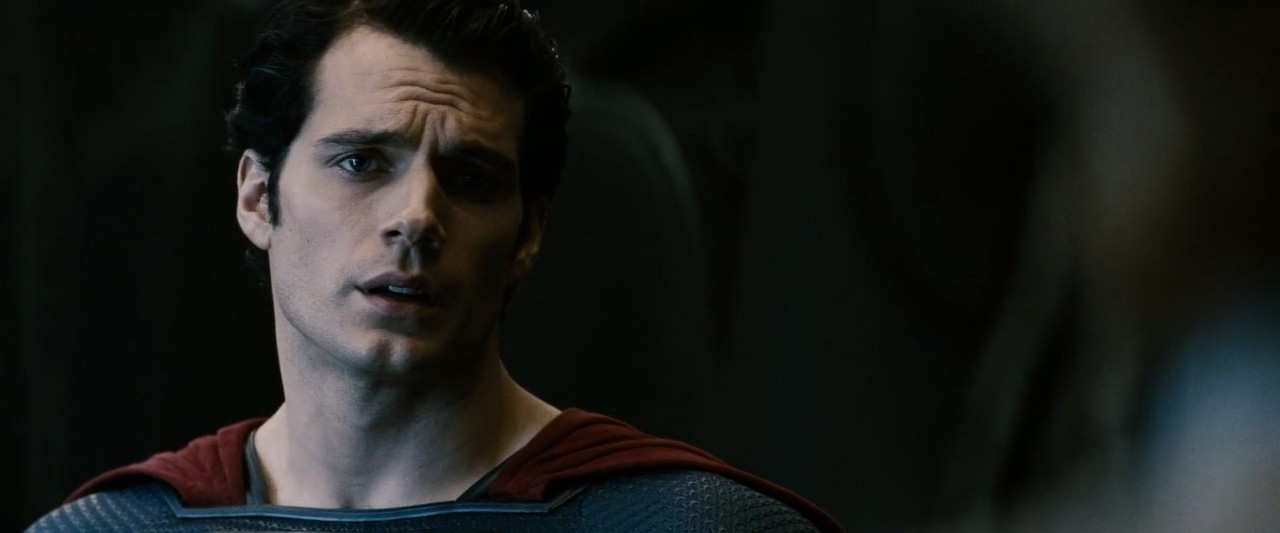
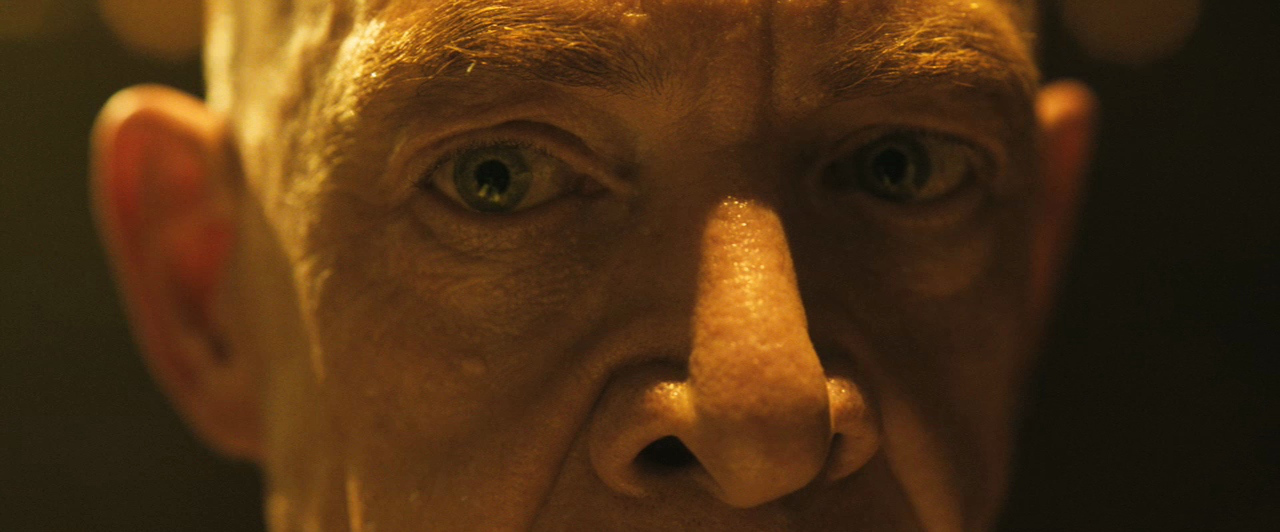
Close-up
The face, or a single object. Connotation — an intimate position; signals an emotional or significant moment.
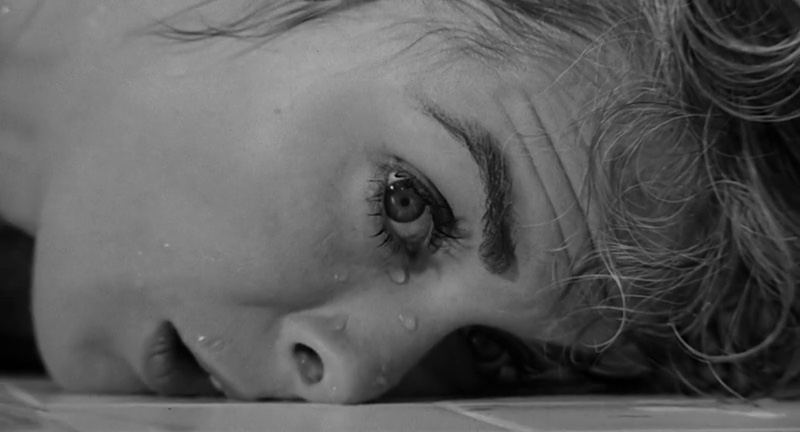
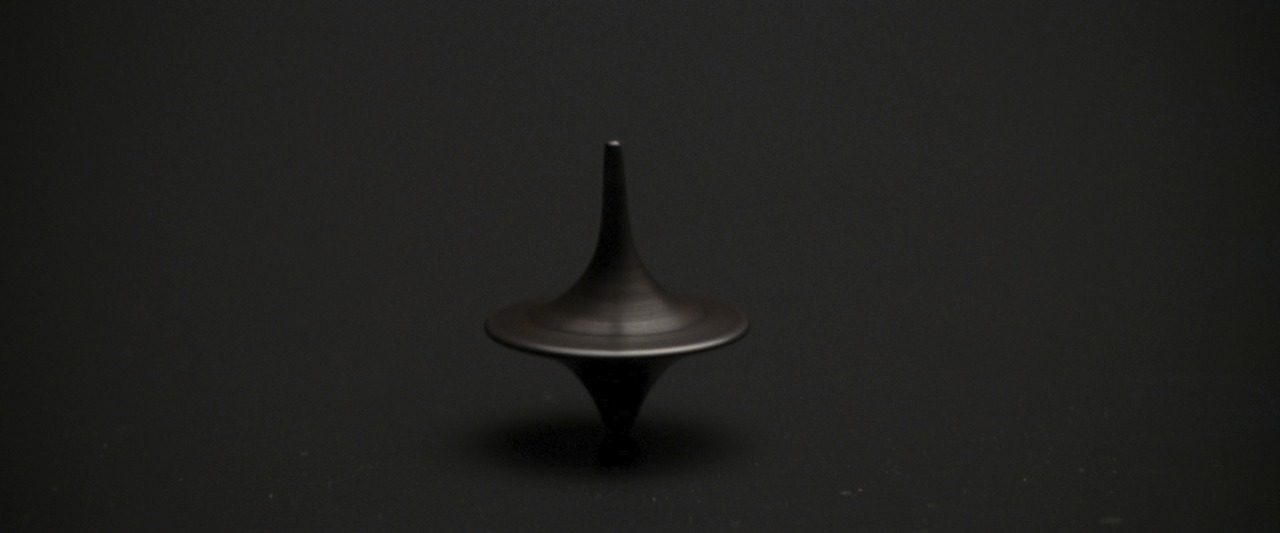
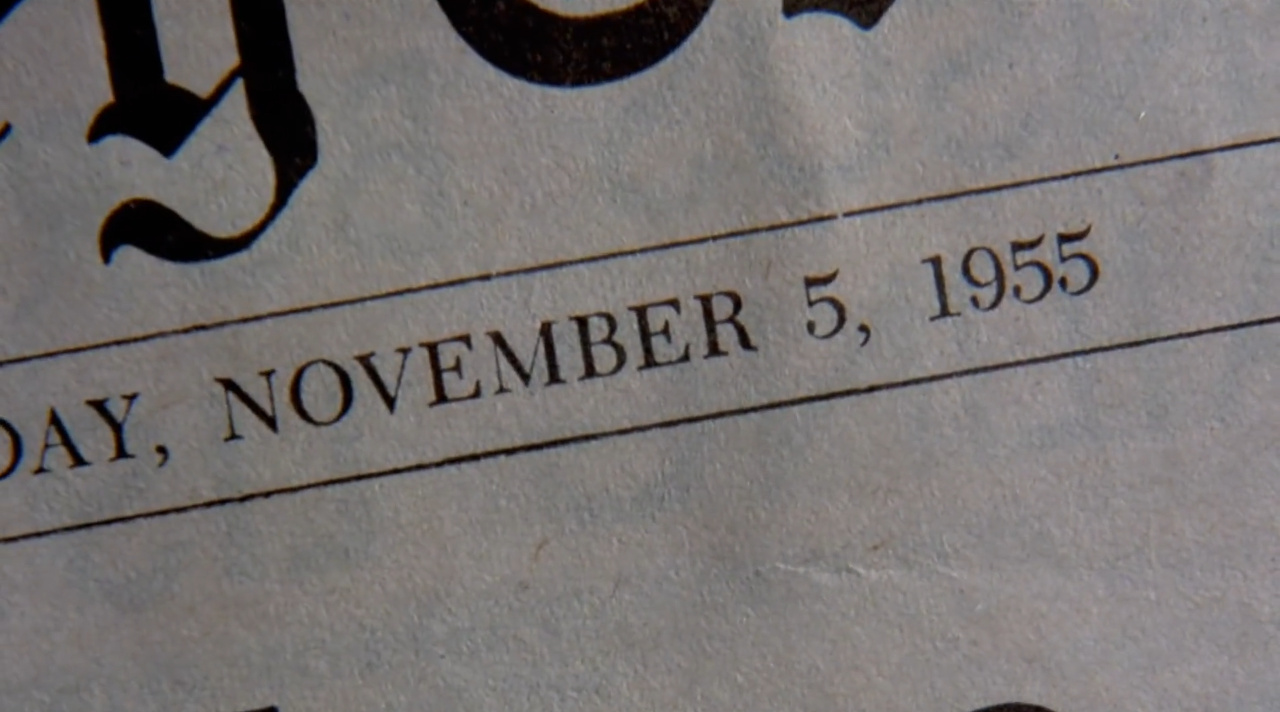
Extreme close-up
A tight shot on part of a face or object. Connotation — forces attention onto a detail the film wants us to know is important.
Shot angle
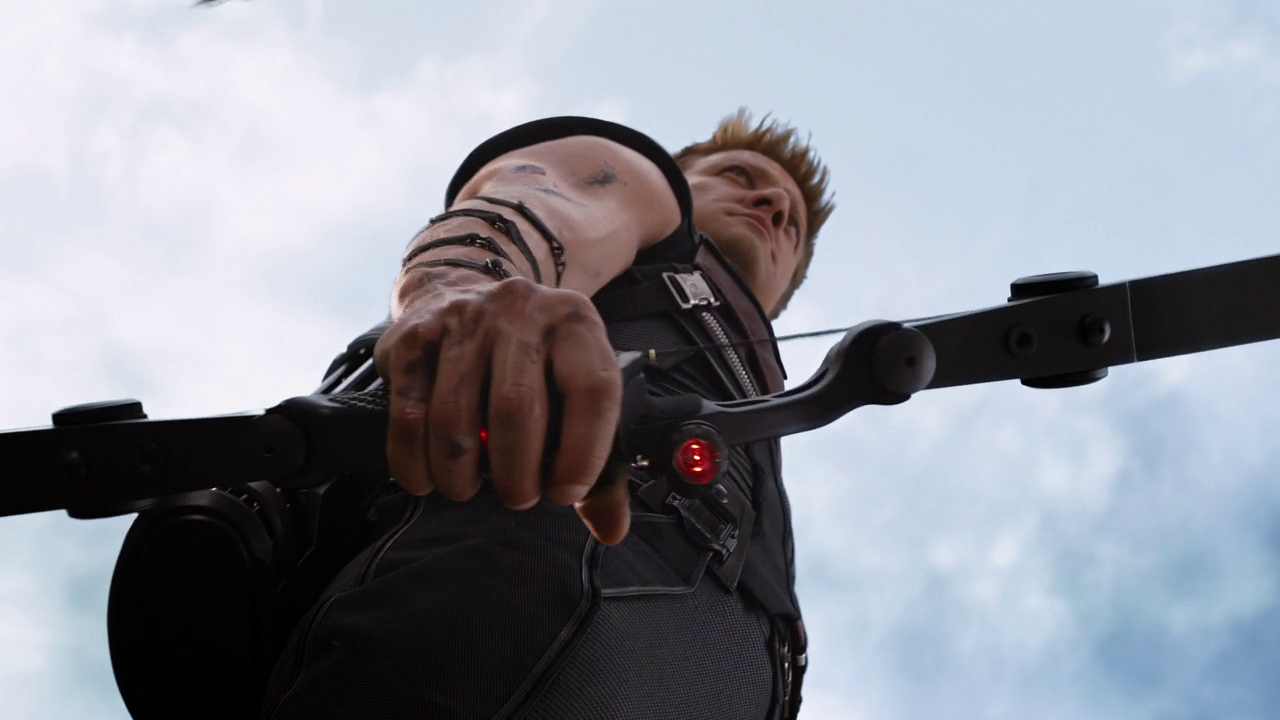
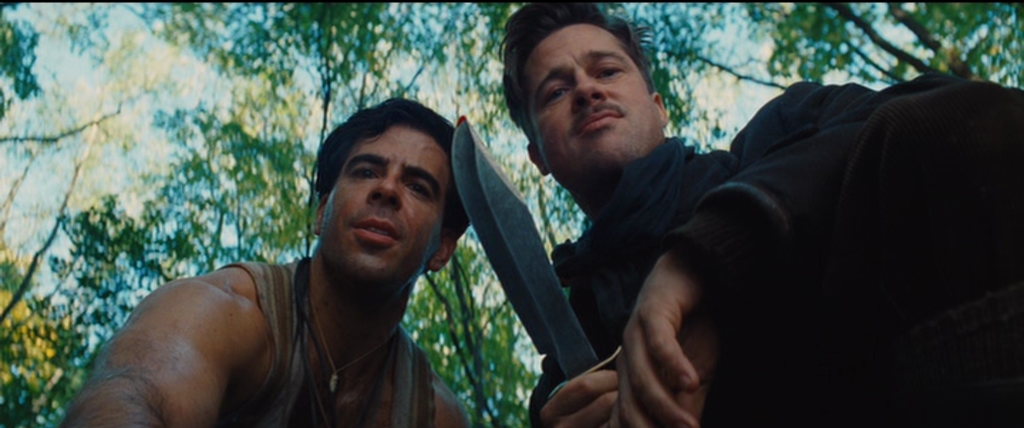
Low angle
The camera looks up at the subject. Connotation — power, dominance, threat.
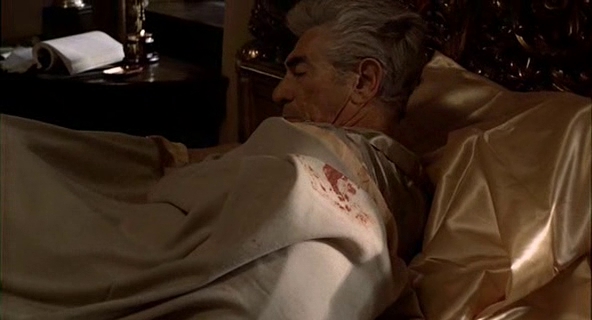
High angle
The camera looks down at the subject. Connotation — weakness, vulnerability, smallness.
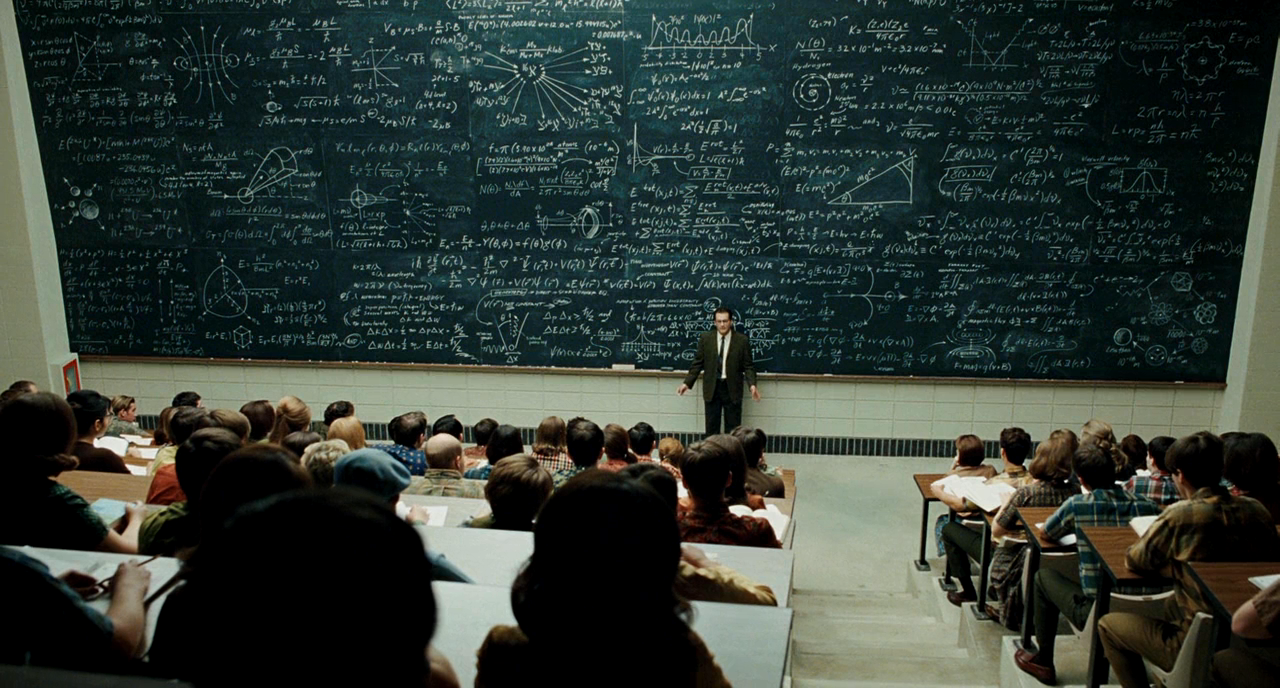
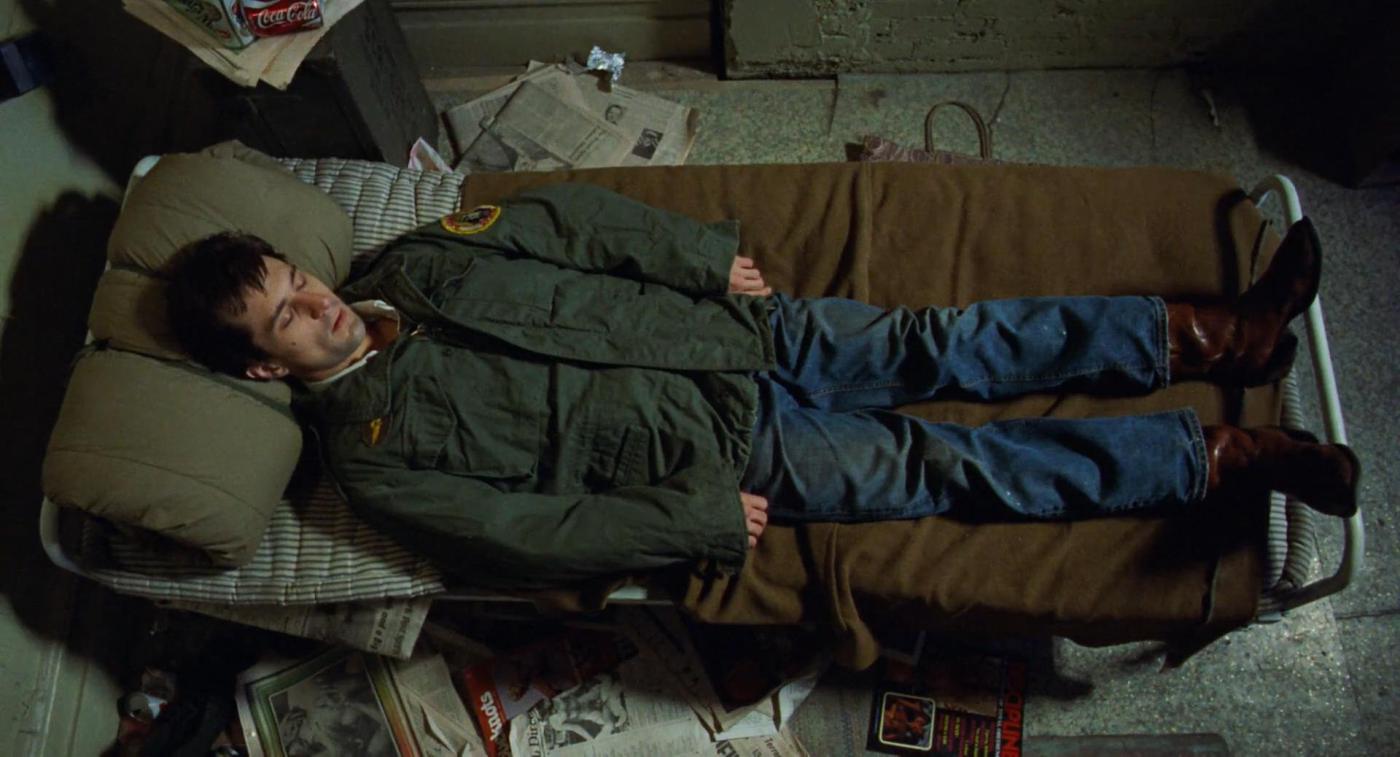
Eye level sits between the two — a neutral angle that invites us to read the subject as an equal.
Camera movement
Tilt
The camera pivots up or down from a fixed point. Often follows movement or sizes a character “up and down”.
Pan
The camera pivots left or right from a fixed point. Surveys a space or follows action.
Hand-held
The camera is carried, not mounted, making the image shaky — often via a steadicam. Signals point of view, realism, or urgency.
Dolly / tracking shot
The whole camera moves through space on wheels or a track. Follows action, or draws us steadily toward an emotion.
Dolly zoom is a special case — the camera dollies one way while the lens zooms the other, warping the background while the subject stays fixed. The classic visual shorthand for dread or vertigo.
Exposure
- Correct exposure — a balanced image; nothing blown out or lost in shadow.
- Underexposure — heavy shadow where detail is lost; can create mystery or unease.
- Overexposure — blown-out highlights pushed toward white; can feel harsh, dreamlike or clinical.
Lens choice
- Standard lens — minimal distortion; photographs a scene roughly as the human eye perceives it. Favoured by realist filmmakers.
- Telephoto (long) lens — compresses distance and gives a shallow depth of field, isolating a subject from its background. Enables rack focusing between planes.
- Wide-angle (short) lens — a wide field of view used for deep-focus shots; can warp lines and exaggerate distance, including the extreme fisheye look.
Analysing camerawork with COCA
A strong analysis names a Contention, supports it with an Observation, explains the Connotation, and connects it to the Audience.