Playback / Se7en
Se7en · 1995
What's in the Box?
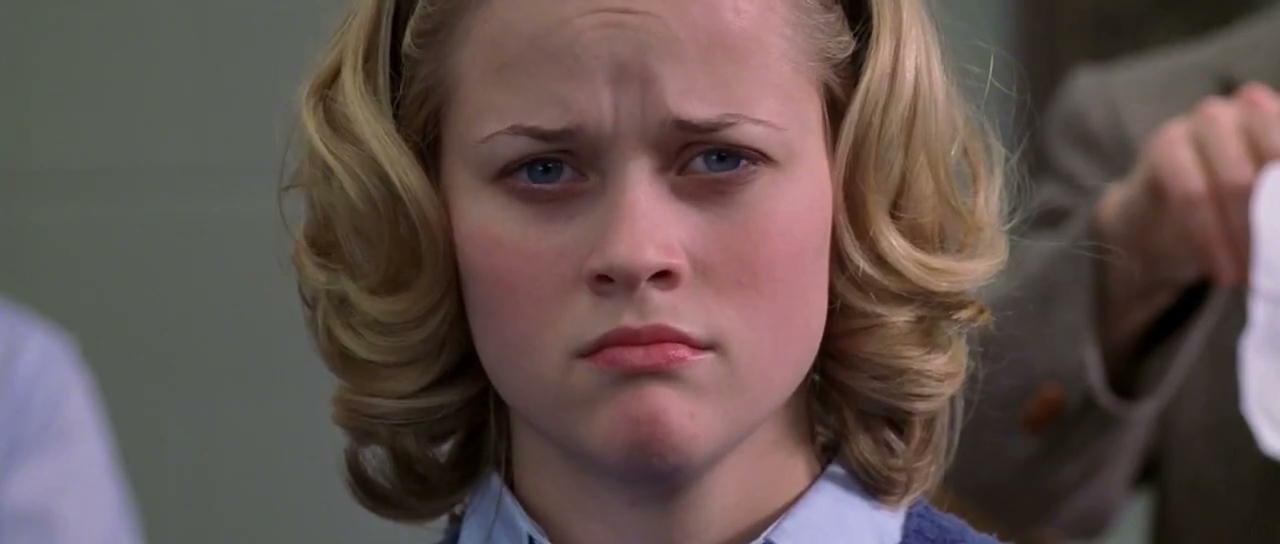
Escalating shot sizes — from wide desert to tight close-ups — tighten the noose as the finale lands.
Watch for
- The escalating shot sizes — from the wide, exposed desert to ever-tighter close-ups as the truth closes in.
- How the tightening framing strips away the world until there is nothing left but a face and a choice.
- The restraint — the horror is kept off-screen; the camera stays on reactions, never on the box.
A worked reading · COCA
CContention
Fincher uses a steady tightening of shot size to trap Mills — and the audience — inside an inescapable moral corner.
OObservation
As the finale unfolds the framing moves from wide shots of the open desert to tight close-ups on Mills, Doe and Somerset, shrinking the visible world.
CConnotation
The closing frame mirrors Mills's narrowing options, shutting down space until violence feels like the only exit left.
AAudience
We are squeezed into the same airless corner as Mills, so his final act reads less like a twist than a horror we were marched toward.
Your turn
- Track the shot sizes across the scene. How does the move from wide to tight shape the tension?
- We never see inside the box. Why is withholding the image more powerful than showing it?
- How does the flat, open desert setting work together with the camerawork?
For teachers
A masterclass in shot-size escalation, but a mature scene (implied violence, dark themes) — best for senior students, and preview before use. Pairs with the Camerawork page (shot size).