Media Codes & Conventions / Symbolic codes
Symbolic codes
Setting
Setting is the symbolic code of where and when a story takes place — its location, period and world — chosen and dressed so the place itself carries meaning.
The setting is the world a story takes place in — its location, its time, and the atmosphere the two create together. It is built mostly through mise en scène, with audio and camerawork adding to it. Setting is rarely just a backdrop: where and when a story happens shapes how we read everything inside it.
Two terms are worth knowing:
- The macro-setting is the overall world of a story — Los Angeles, 2019.
- The micro-setting is the setting of a single scene — a boardroom, late at night.
A setting is integral when the story could not happen without it, and incidental when it is little more than a background.
Place
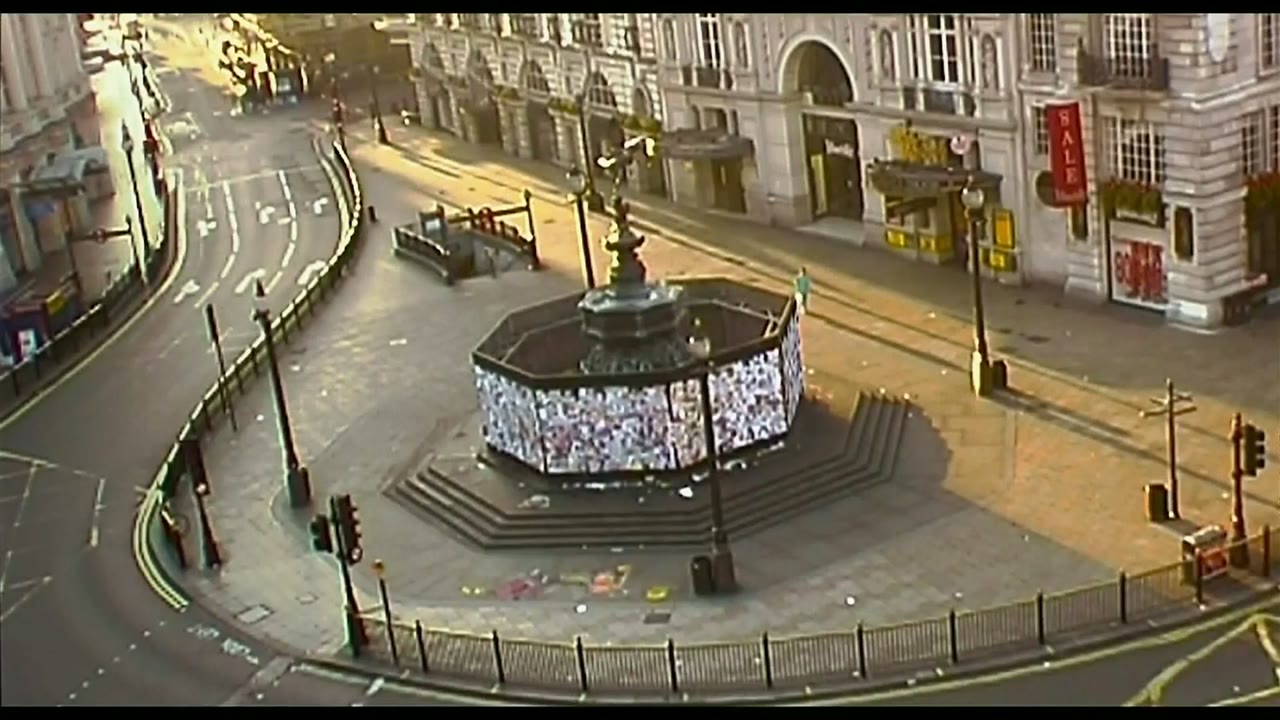
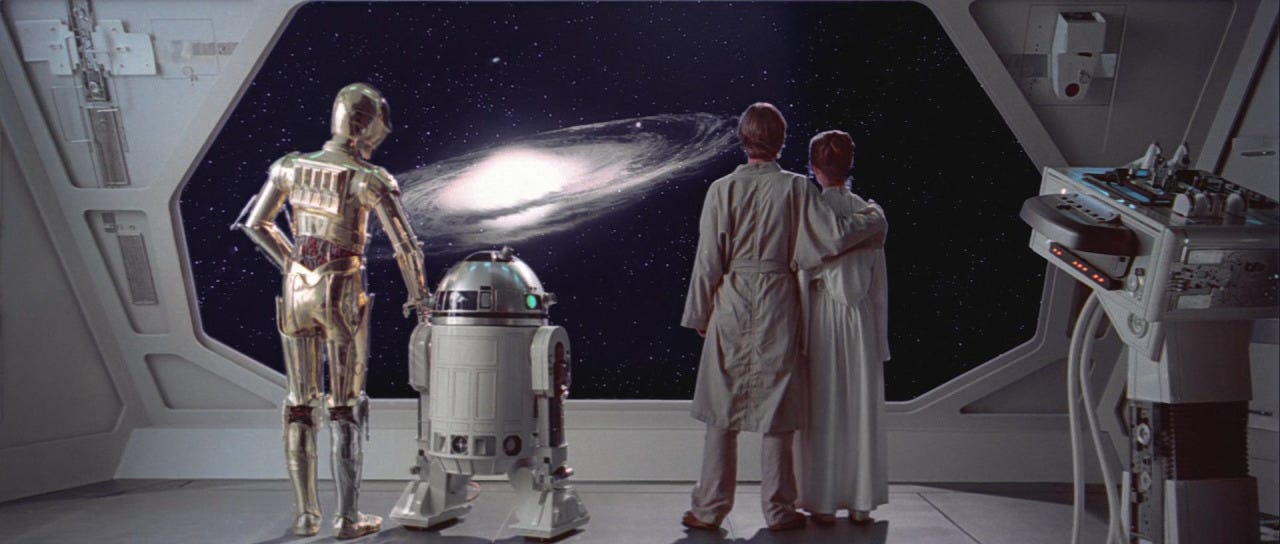
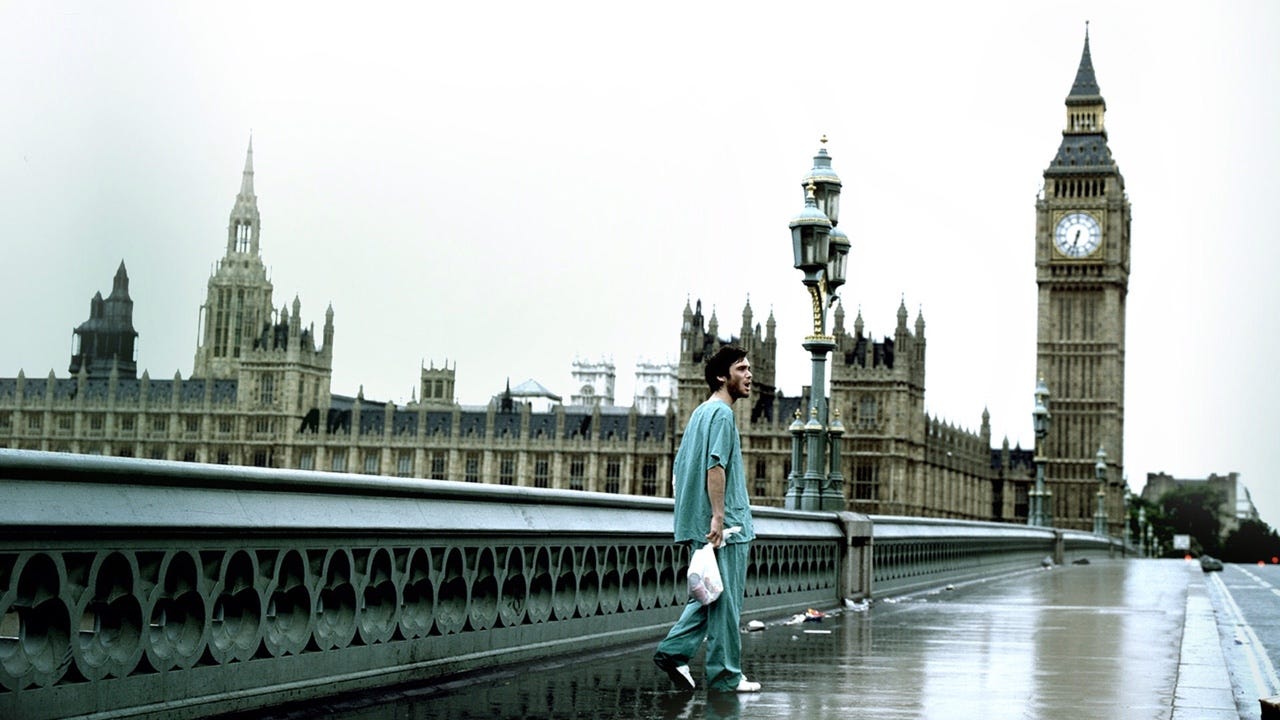
Where a story happens — the physical location, from a galaxy far, far away to a deserted central London.
Time
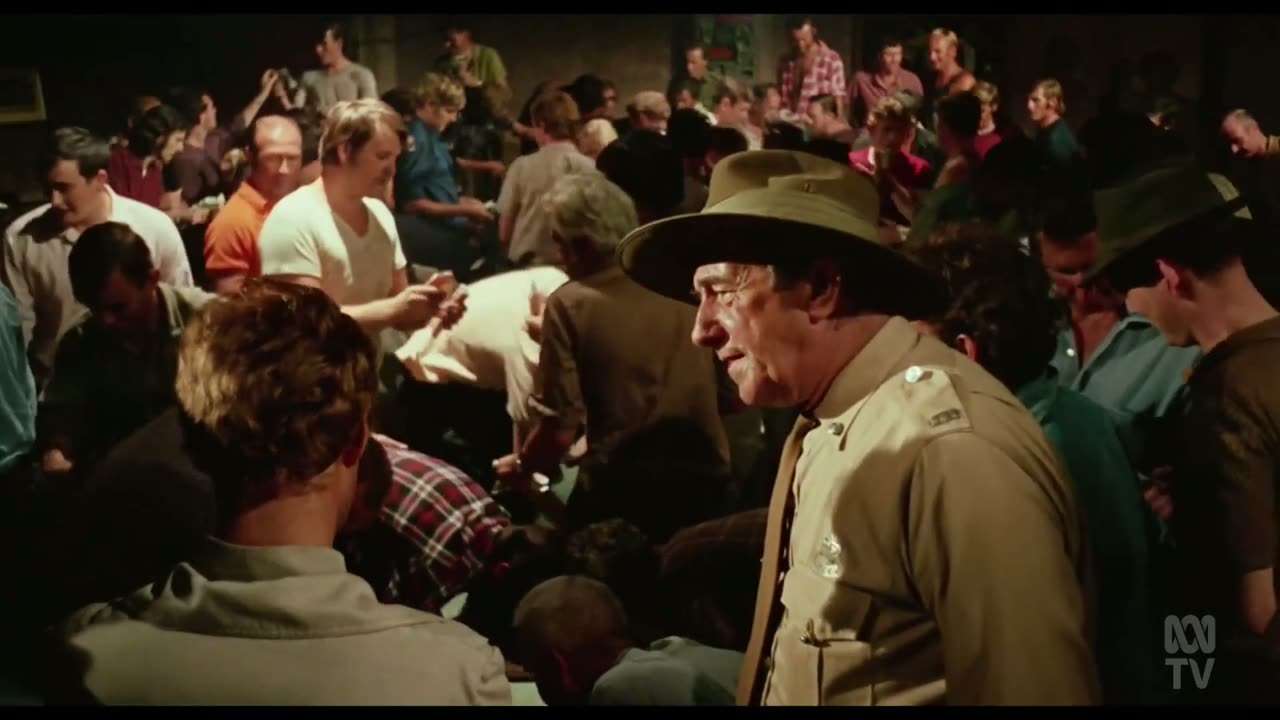
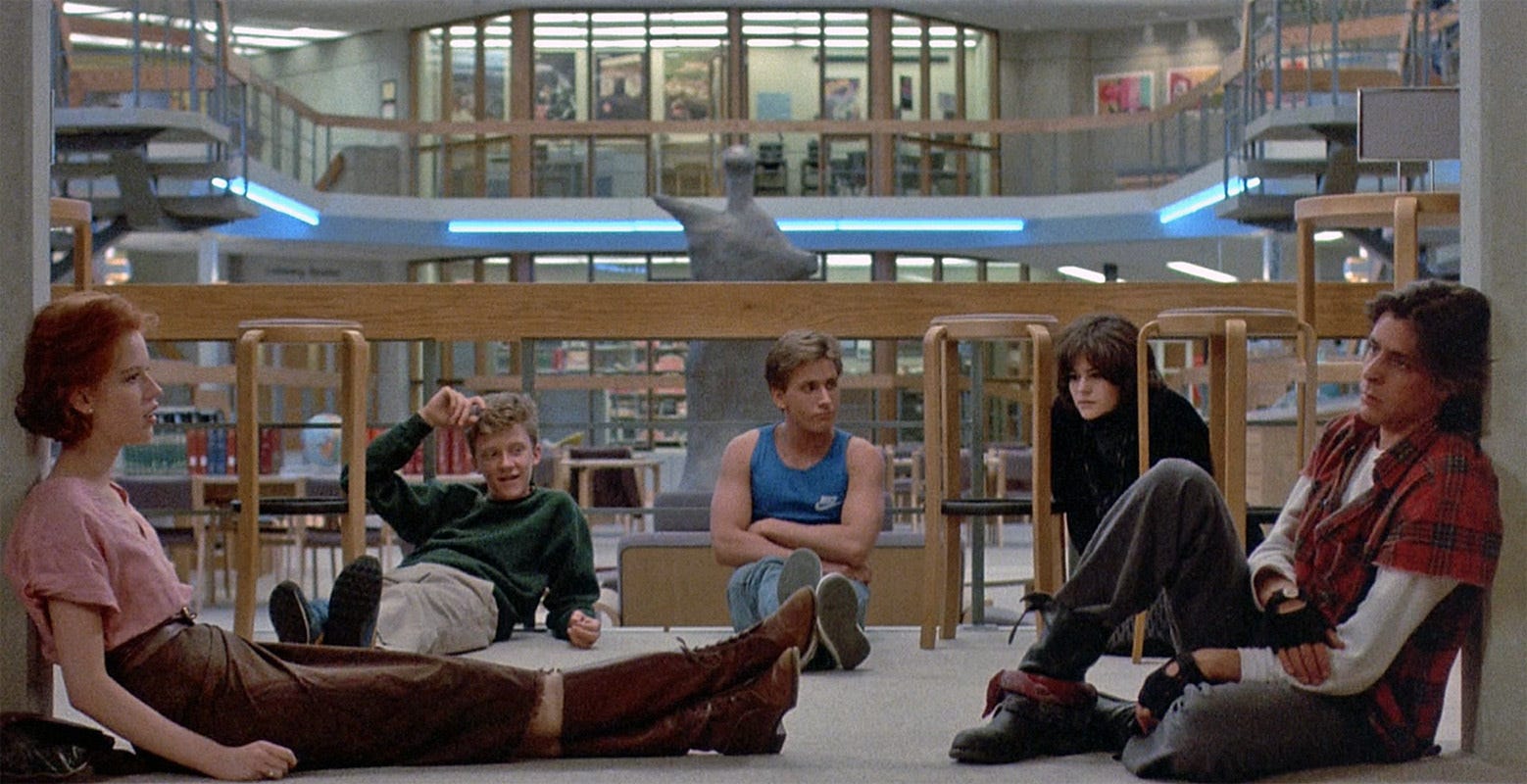
When a story is set — historical, contemporary or futuristic — how long it spans, and even the time of day. The Breakfast Club unfolds across a single Saturday detention; A Nightmare on Elm Street lives mostly after dark.

Context
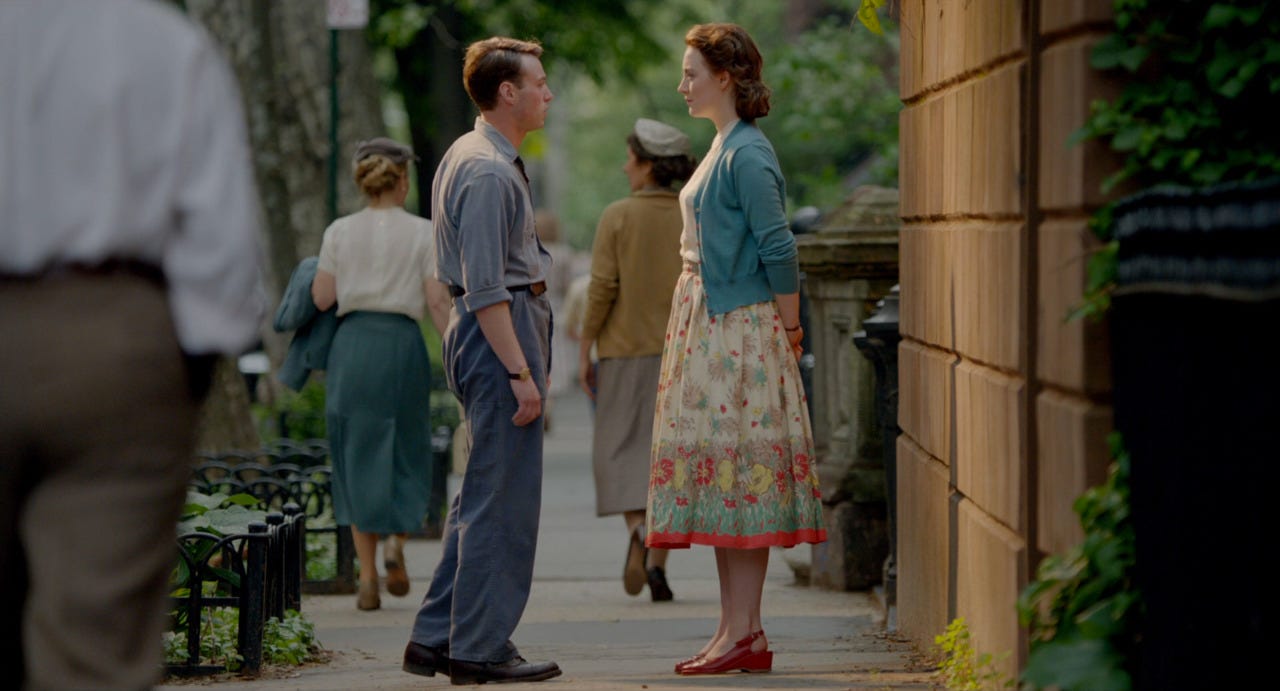
A time and place carry context — the social, political and cultural conditions that shape how we read a story and its characters. Brooklyn (New York, 1952) sets up what was expected of a young woman at the time; The Big Short is anchored in the 2008 financial crisis.

What a setting can do
Beyond telling us where and when, a strong setting does work in the story. Look for any of these:
Extension of character
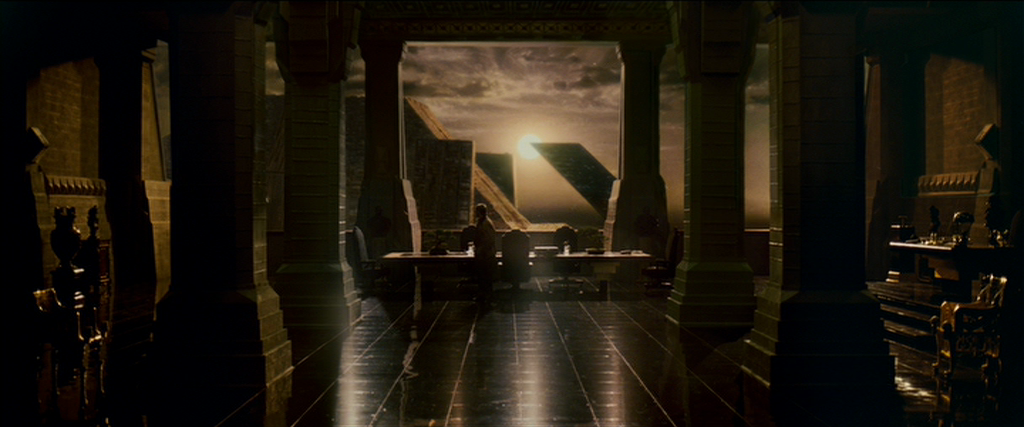
A space can reflect the person who occupies it. Tyrell’s vast, cathedral-like office in Blade Runner mirrors his god-like power; Amélie’s warm, cluttered bedroom is a portrait of her inner world.

Mood and atmosphere
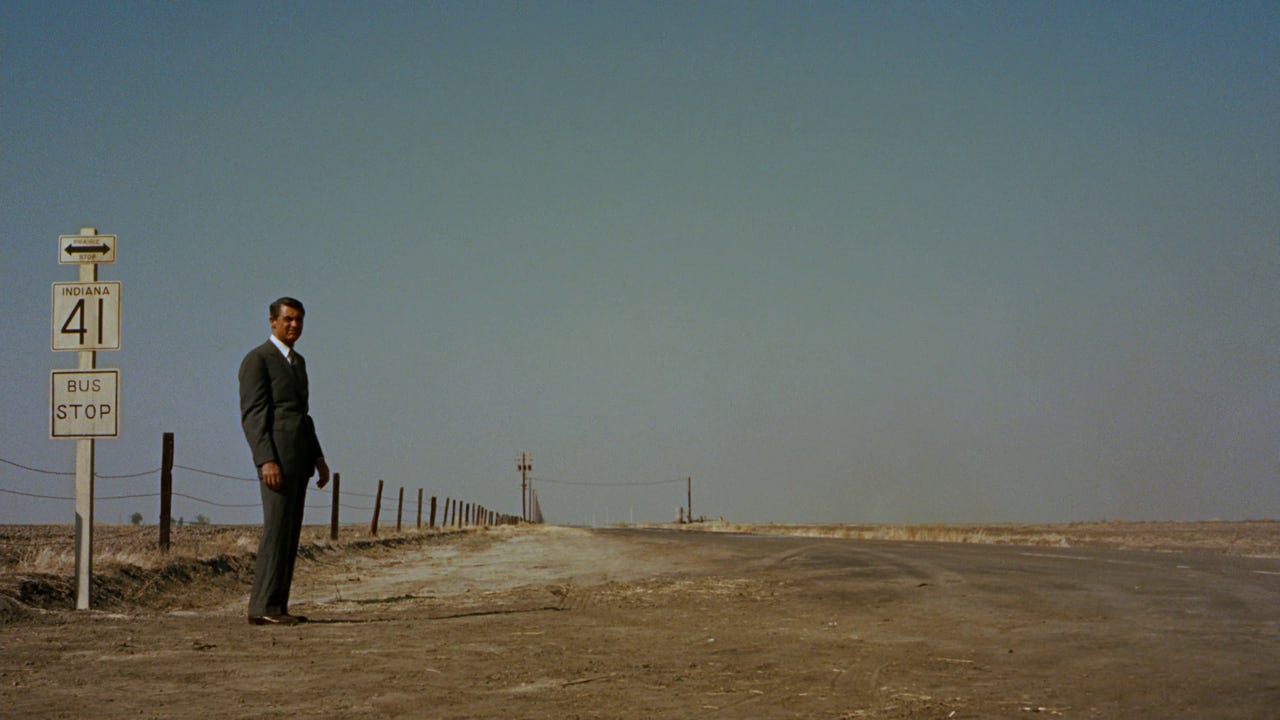
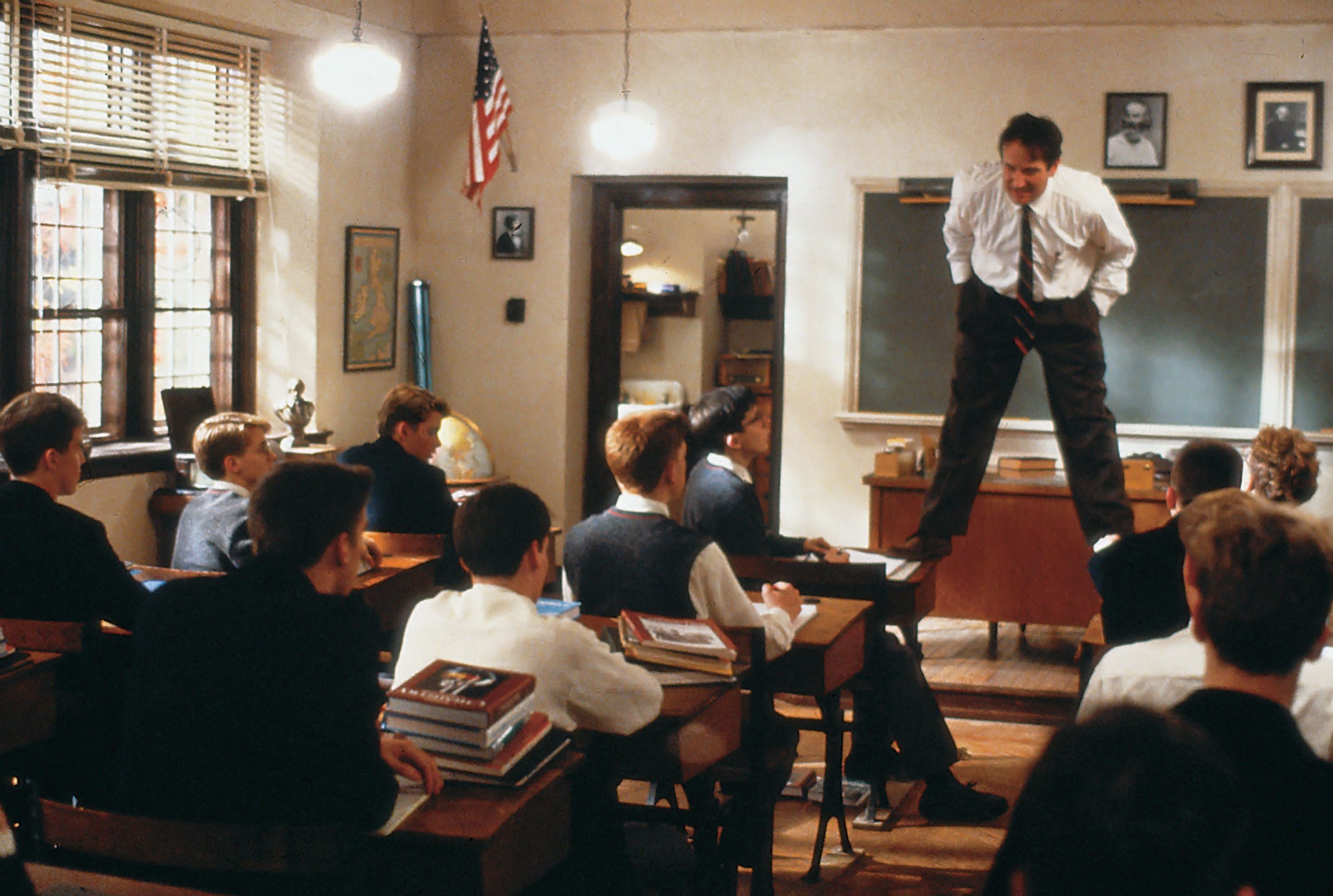
The elements of a setting combine into a mood, often tied to genre. The wide, exposed plains of North by Northwest leave a man nowhere to hide; the handsome old school of Dead Poets Society anchors its coming-of-age tone.
Creating tension
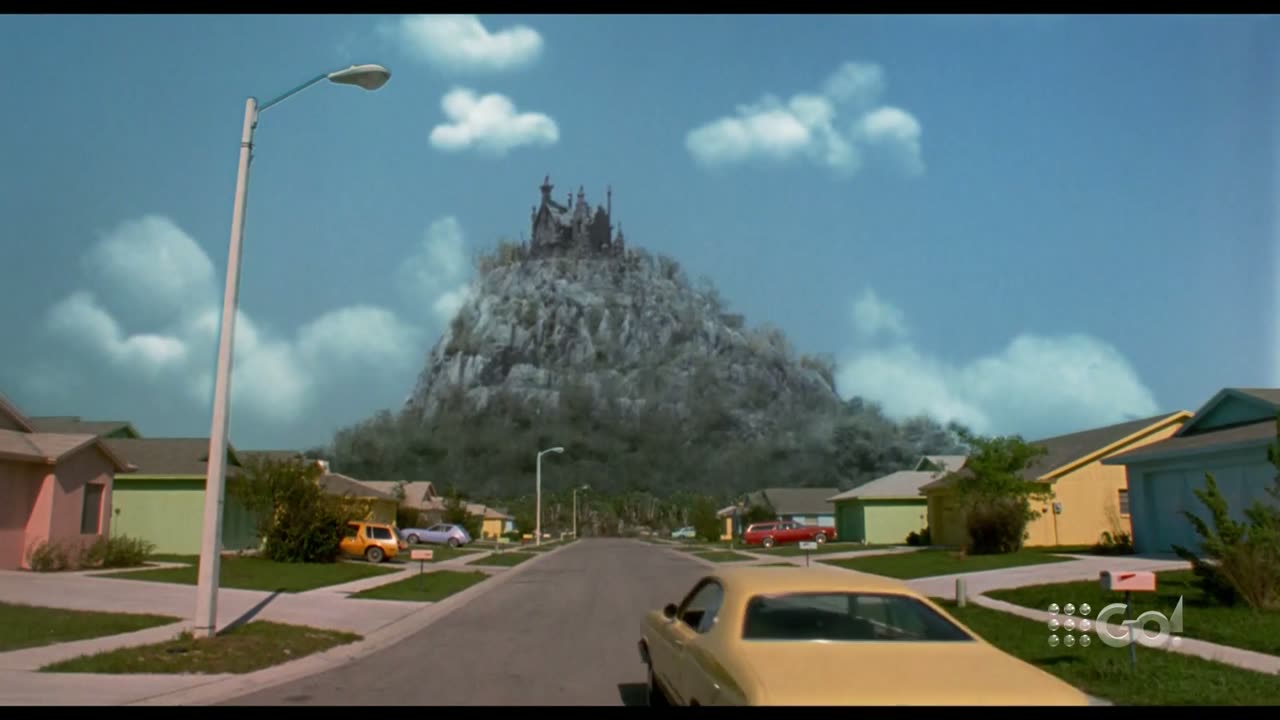
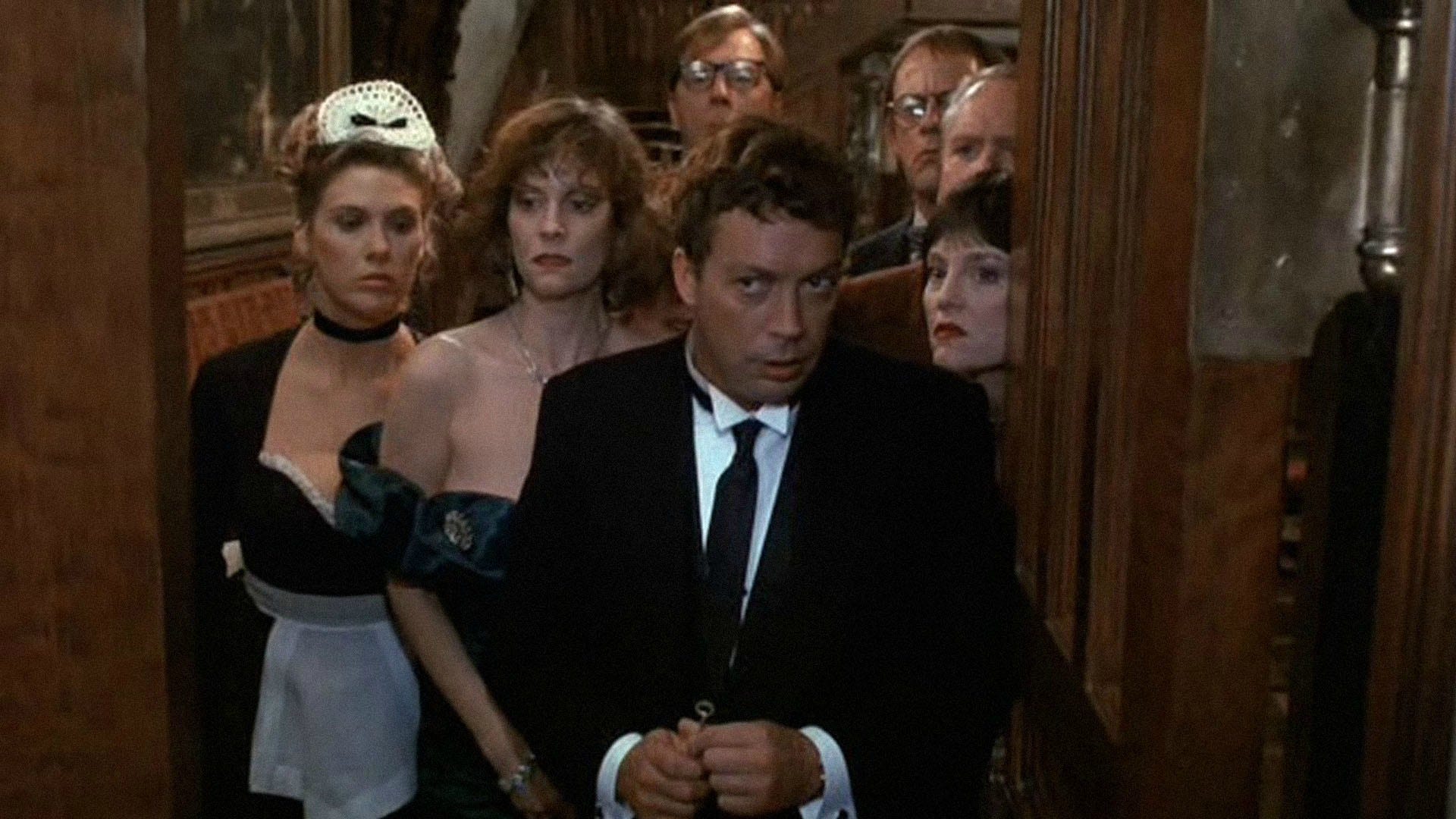
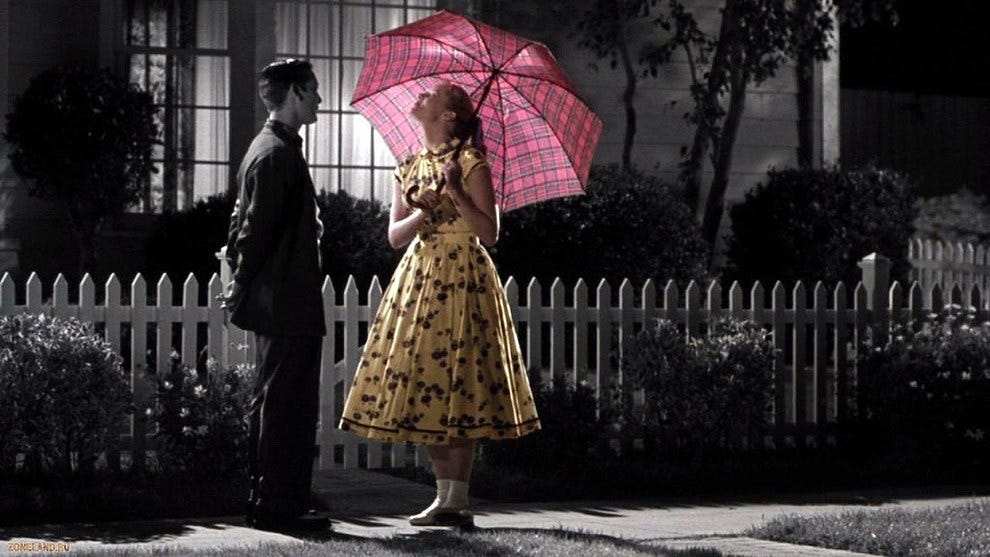
A setting can trap or pressure characters into action. In Clue, everyone is locked in the house with a murderer; Pleasantville drops present-day characters into a buttoned-up 1950s town and lets the friction build.
Setting as character
When a setting is so essential that the characters have a relationship with it, it can read as a character in its own right — like the impossibly perfect constructed town of The Truman Show.

How to analyse setting
Name the place and time precisely, then ask what they add: what does this setting make us expect, how does it shape the characters, and would the story mean the same thing if it happened somewhere — or somewhen — else?