Media Codes & Conventions / Symbolic codes
Symbolic codes
Acting
Acting is the symbolic code of performance — facial expression, body language, voice and movement — used deliberately to construct a character and steer how an audience reads them.
Acting is performance treated as a symbolic code: the deliberate use of face, body and voice to construct a character and steer how an audience reads them. Because a good performance feels natural, it is easy to forget how constructed it is — every glance and pause is a choice.
Performances can be naturalistic (aiming to look like real, believable behaviour) or non-naturalistic (deliberately heightened or stylised, as in classic Hollywood or melodrama). Even casting carries meaning, since we bring expectations to certain actors and the genres we associate them with.
There are four parts to look for:
- Facial expression — the face, the eyebrows and the gaze.
- Body language — gesture, posture and physical contact.
- Voice — how a line is delivered, not just what is said.
- Movement — how a character carries and moves their body through space.
Acting works closely with camerawork — a close-up magnifies the smallest expression — and with spoken language, which is concerned with the words where acting is concerned with their delivery.
Facial expression
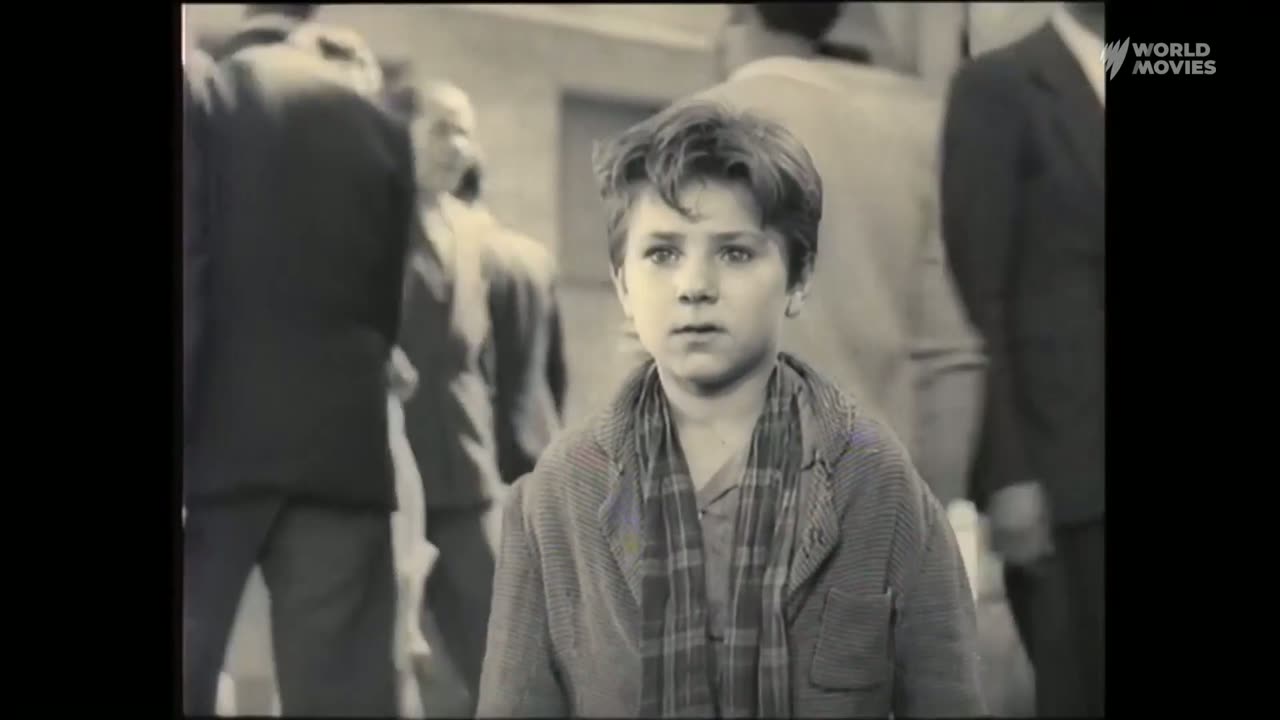
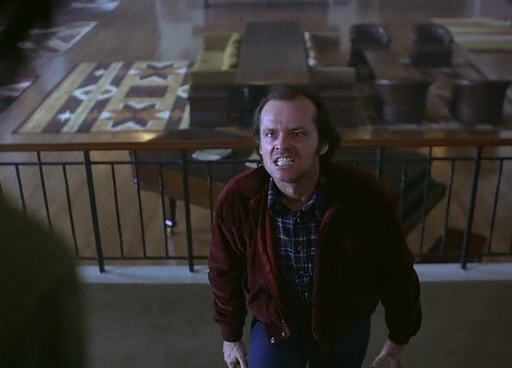
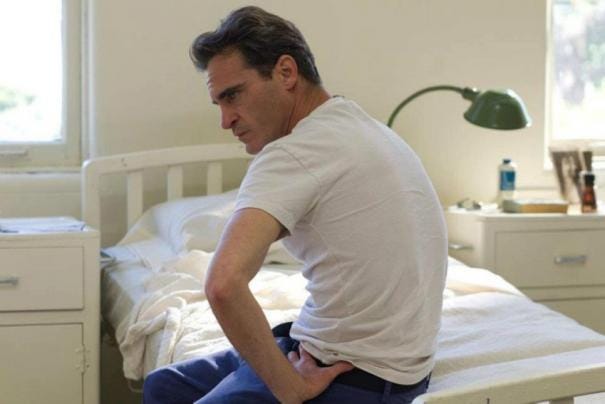
The face does an enormous amount of work, and the camera is built to catch its smallest movements. Eyebrows are a good place to start a description — lowered brows can read as anger or pain, as in 127 Hours. Watch the mouth too, and the micro-expressions that flicker across a face before a character has decided what to show.
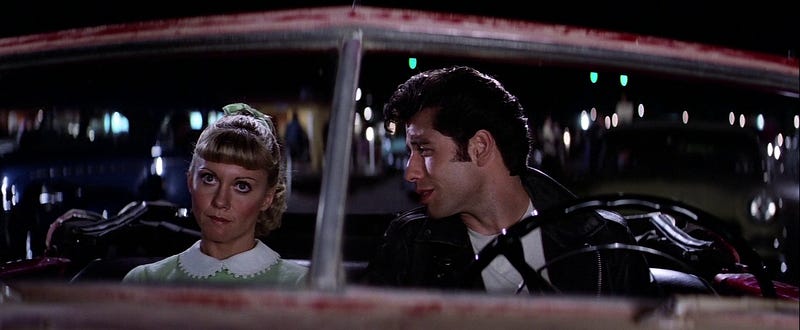
Gaze — where a character looks (at the camera, at another person, or off out of frame) — is just as expressive. When two characters’ gazes meet we call it eye contact: a charged moment that can signal attraction, challenge or understanding without a word, as the looks between characters do in Grease.

Body language
How an actor uses the rest of the body. Three things to read:
- Gesture — a single visible movement: a wave, a shrug, a slap of the forehead, a shake of the head.
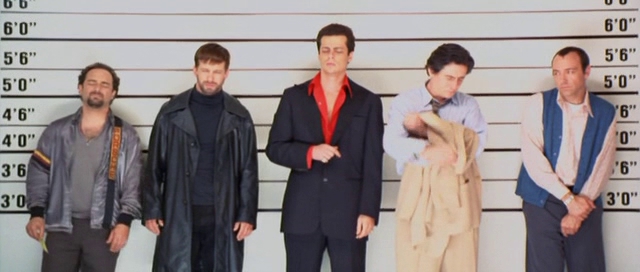
- Posture — the settled attitude of the body. Crossed arms can read as defensive, a slouch as defeated, a rigid stance as tense or formal.
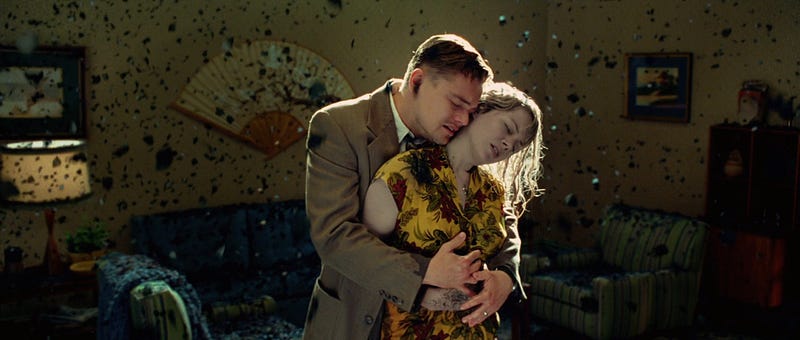
- Body contact — touch, or its pointed absence, is a powerful and culturally-dependent signal of intimacy, comfort or dominance.
Voice
How a line is delivered often matters more than the words themselves — the same sentence can be a threat or a joke depending on the delivery. Listen for volume (a whisper or a shout), pace (rushed or drawn-out), pitch and tone, accent and register, and the small quirks — vocal fry, slurring, mumbling, a catch in the throat — that make a voice a character.
Movement
How a character carries and moves their body through space pulls the other elements together. A confident strut, a nervous shuffle, a stiff march, a meandering drift — each tells us something, and so does perfect stillness, which can be the most controlled choice of all. Movement is also where a performance most clearly reads as naturalistic or stylised.
How to analyse acting
Choose one moment and be specific about the body: what is the face doing, what is the posture and gesture, how is the line delivered, how does the character move? Then connect those choices to the character — what is the performance making us feel about, or understand about, the person on screen?