Media Codes & Conventions / Conventions
Conventions
Genre Conventions
Genre conventions are the recurring tropes, characters, settings, iconography and themes audiences associate with a genre — and the expectations they create.
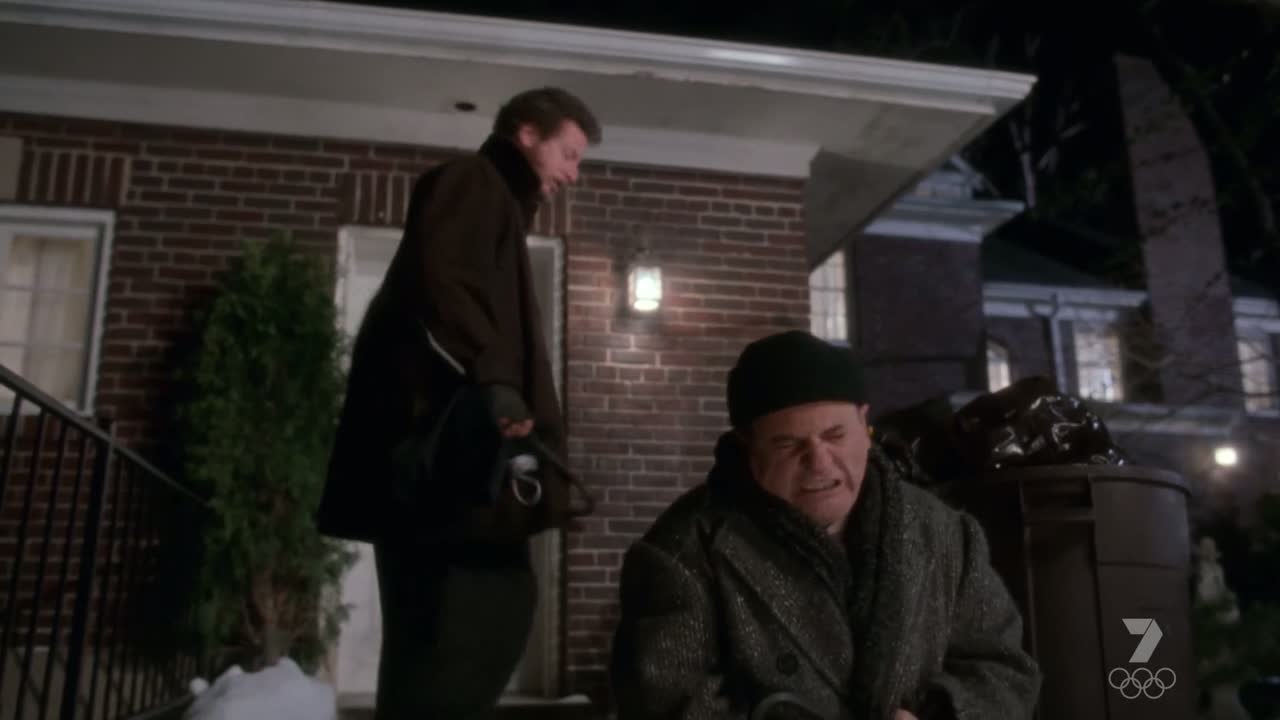
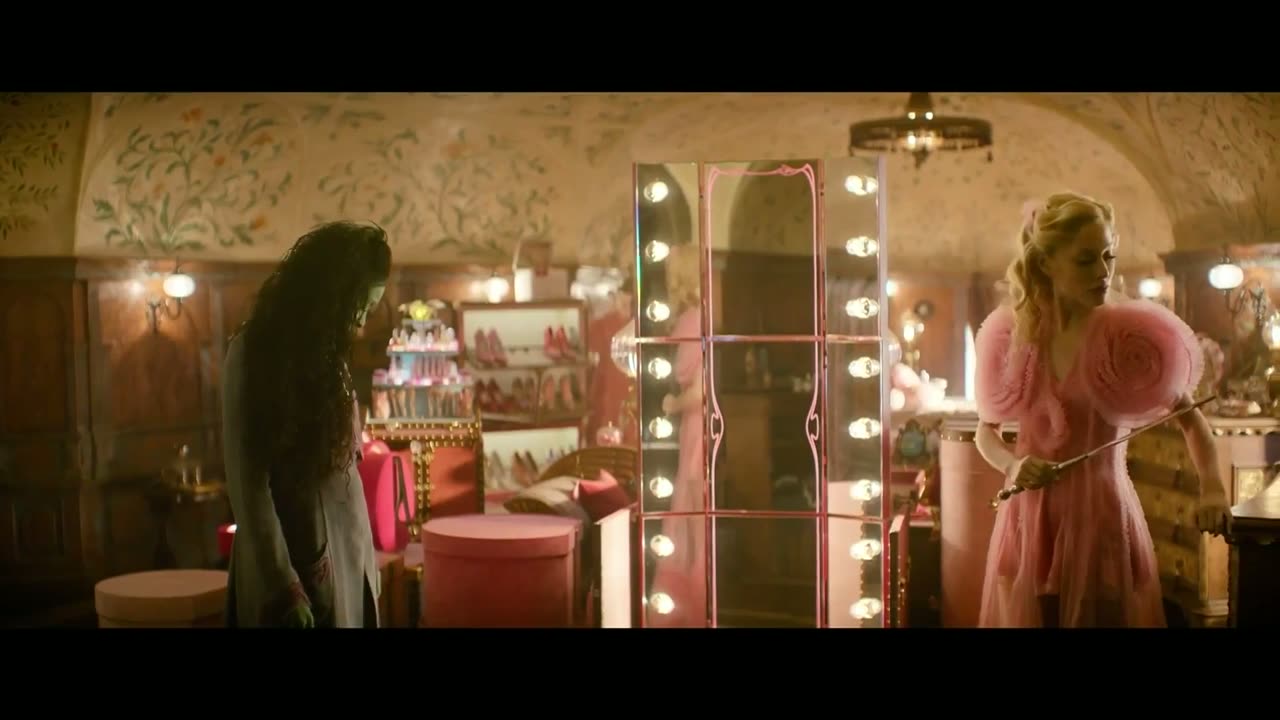
Genre conventions are the recurring tropes, characters, settings, iconography and themes audiences associate with a particular genre. The word genre simply means “type”, and genres are how we sort and choose media — but they are also a contract. When we recognise a genre we bring a set of expectations to it, and producers can satisfy those expectations, subvert them, or play knowingly in between. Conventions come in two kinds: formal (the way a genre looks and sounds) and thematic (the ideas and values it explores). There are four things to look for — expectations, iconography, themes, and the way genres evolve.
Conventions create expectations
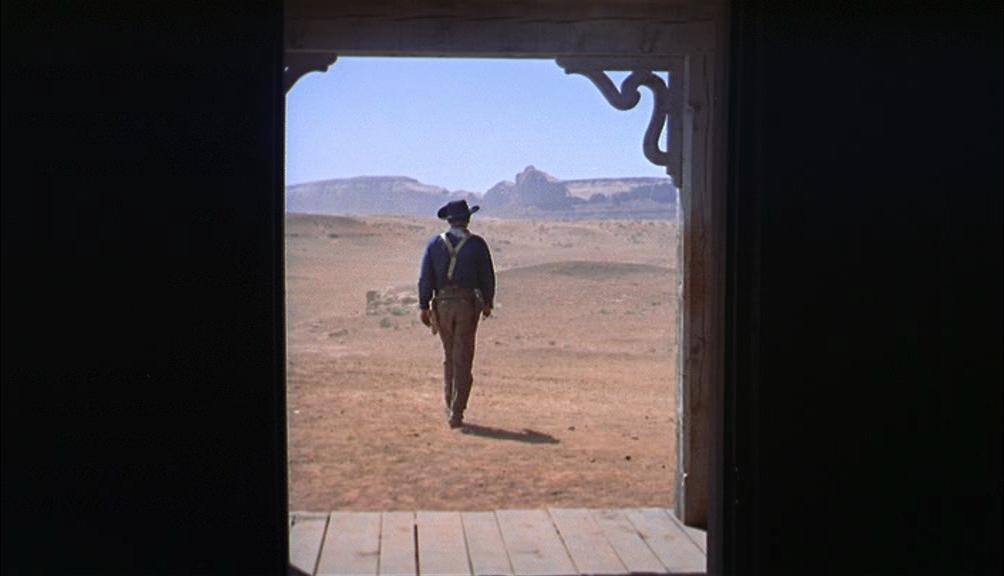
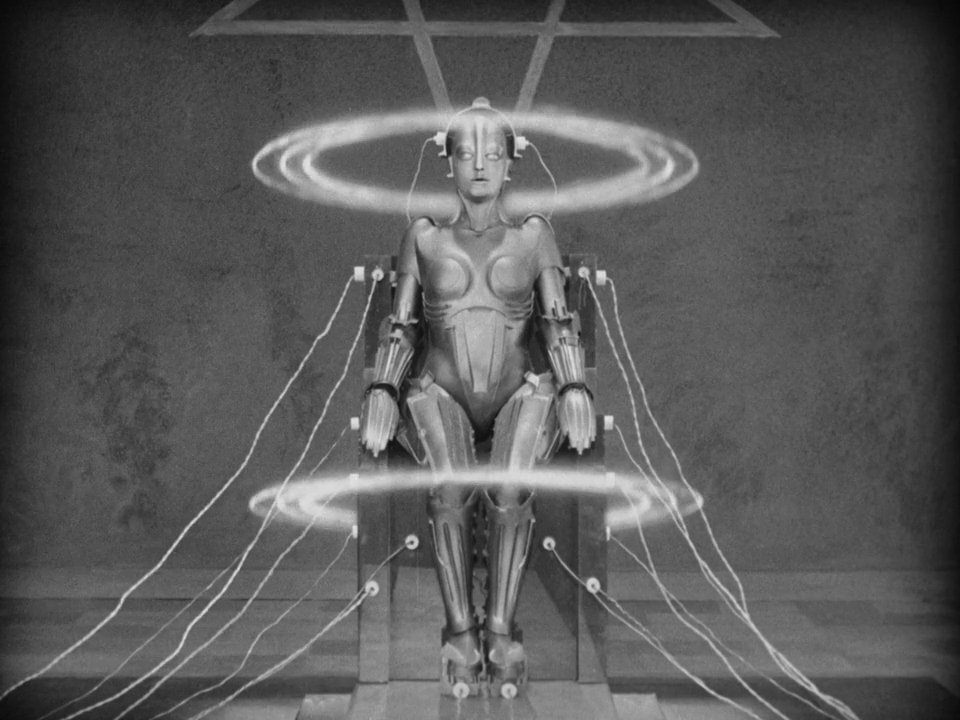
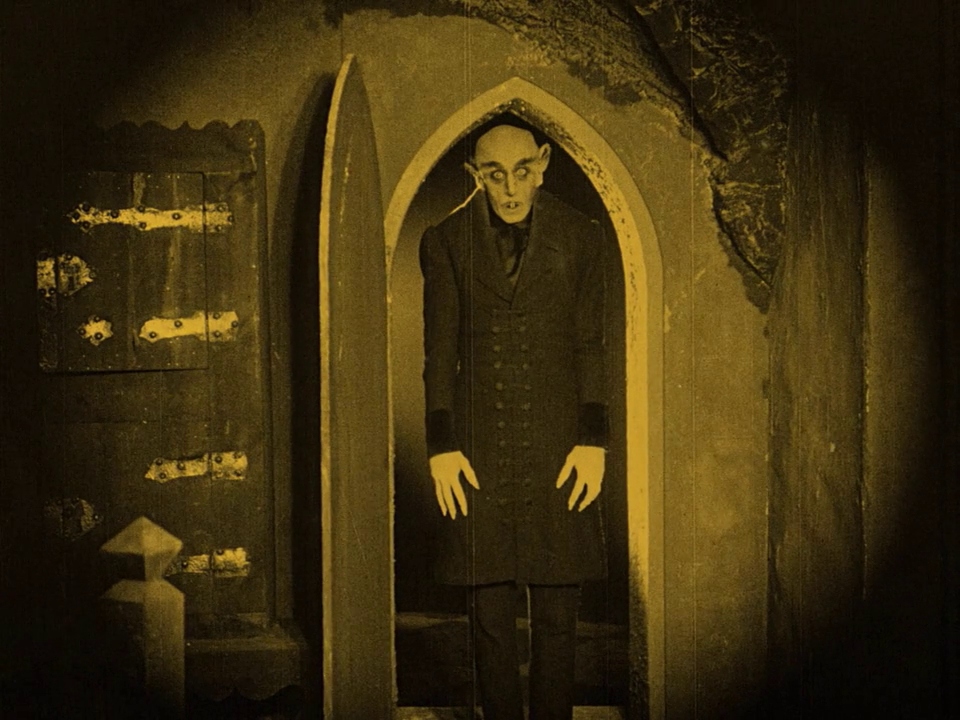
Because genres are so familiar, a single convention can prime a whole audience in an instant. It is a convention of the horror genre that low-key, shadowy lighting and a sudden spike of sound build suspense and deliver a scare — so the moment a scene darkens and the music drops out, the audience tenses before anything has happened. Film noir relies on hard shadows, rain-slicked streets and morally ambiguous characters; the Western on a frontier setting, the lone gunman and the showdown; science fiction on speculative technology and futuristic design. Each convention is a shortcut to meaning that only works because the audience has seen it before.
Iconography
The most visible conventions are a genre’s iconography — the objects, costumes and settings that instantly signal it: the spaceship and ray-gun of science fiction, the saloon and six-shooter of the Western, the masked killer and suburban house of slasher horror. This visual shorthand is built through mise en scène and colour, and it is so efficient that a single prop or location can tell us what kind of story we are watching before a line of dialogue.
Themes and values
Beneath the look sits the thematic convention — the questions a genre keeps returning to. The Western worries at civilisation versus wilderness and the cost of taming a frontier; science fiction asks what it means to be human as technology advances; horror stages the return of the repressed, dragging buried fears into the light; the gangster film follows the rise and fall of someone chasing the dream by the wrong means. Reading the thematic conventions is what lifts a genre analysis from “what it looks like” to “what it is about”.
Hybrids, evolution and subversion
Genres are not fixed categories — they evolve, hybridise and get subverted. New combinations appear (the sci-fi Western, the horror-comedy, the musical biopic), conventions update with the culture, and filmmakers deliberately set up a rule only to break it. A subversion lands precisely because the audience knows the convention being overturned: a Western that lets the gunman lose, a horror film where the dark house is safe. Reading genre means recognising both the pattern and the play against it.
How to analyse genre conventions
Name the genre and the specific conventions in front of you — iconography, character types, setting, the themes being explored — then make the analytical move that matters: is the product honouring the convention to give the audience the pleasure of the familiar, or subverting it to surprise or challenge them? Either way, connect it back to the contract: what does the audience expect here, and what is the film doing with that expectation?