Media Codes & Conventions / Symbolic codes
Symbolic codes
Colour
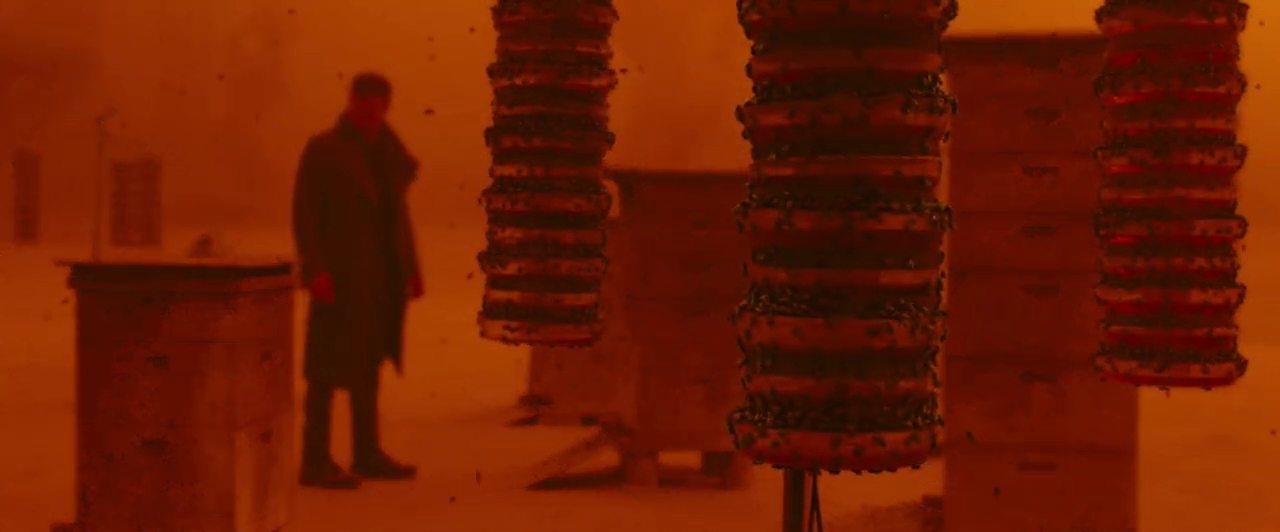
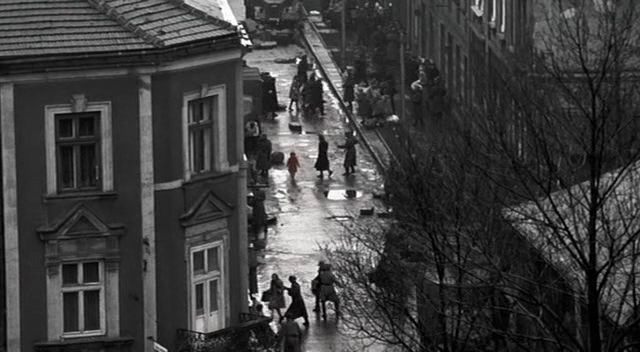
Colour is the symbolic code of how palette, saturation and contrast are used to set mood, attach connotations to characters or ideas, and direct the audience’s eye.
Colour is one of the most immediate symbolic codes — we feel a colour before we have consciously read anything else in the frame. It is controlled at almost every stage of production: through lighting, the setting and mise en scène, and especially now in the grade — the colour adjustment done in editing.
There are four things to look at:
- Palette and saturation — the overall colour scheme, and how vivid or muted it is.
- Dominant colour — the single colour that floods a shot or a film.
- Contrast — opposing colours used to draw the eye.
- Colour symbolism — the meanings particular colours carry.
Palette and saturation
A palette is the set of colours a product uses consistently to build a tone — a warm, golden palette feels different from a cold, steely one before anything has even happened. Saturation is how intense those colours are: a highly saturated palette can feel heightened, vivid or even toxic, while a desaturated, washed-out one can feel bleak, nostalgic or grim.
Dominant colour
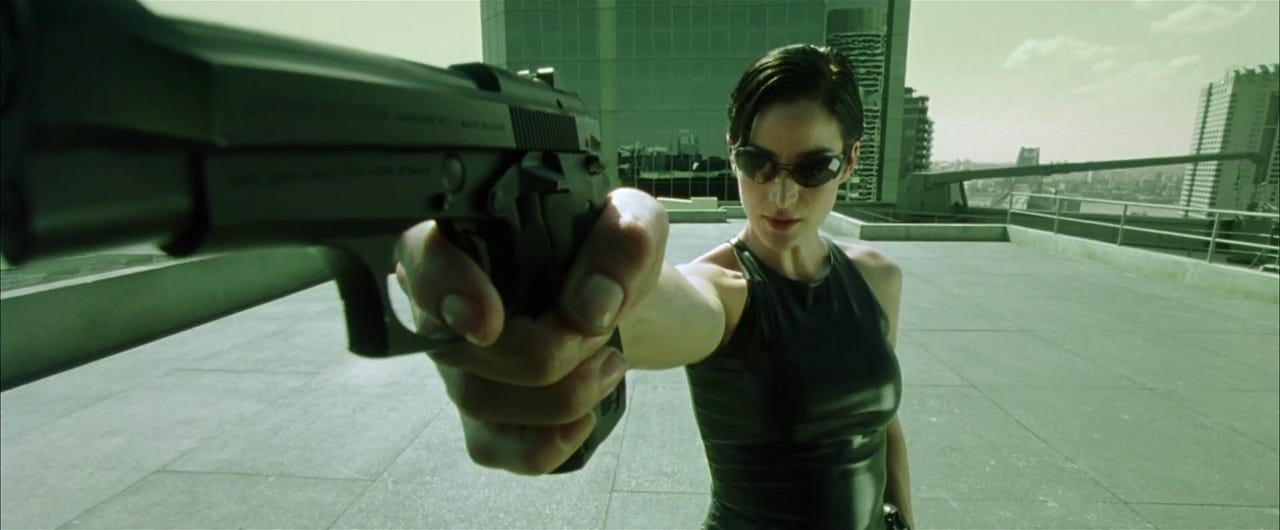
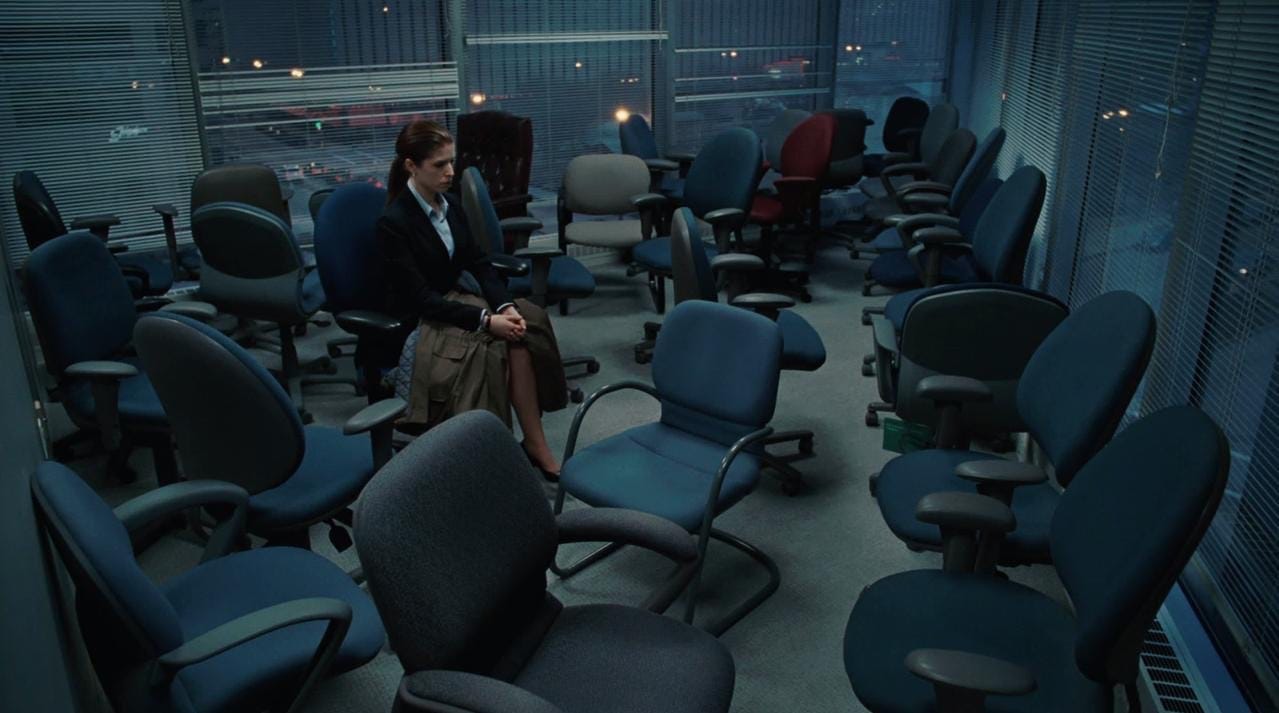
When one colour floods a shot — or a whole film — it sets the mood. The simulated world of The Matrix is graded a dirty green, so reality itself feels sick; Up in the Air leans on a cold corporate blue that reads as melancholy and detachment.
Contrast
Setting one colour against its opposite pulls the audience’s eye and marks what matters. A warm figure against a cool background, or a single saturated note in an otherwise muted scene, uses complementary or contrasting colour as composition — telling us where to look without a word.

Colour symbolism
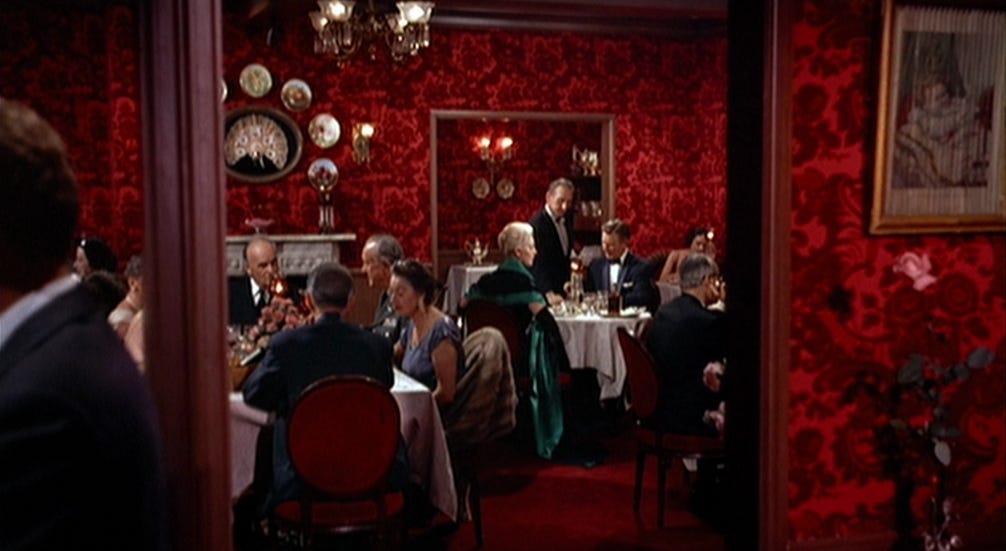
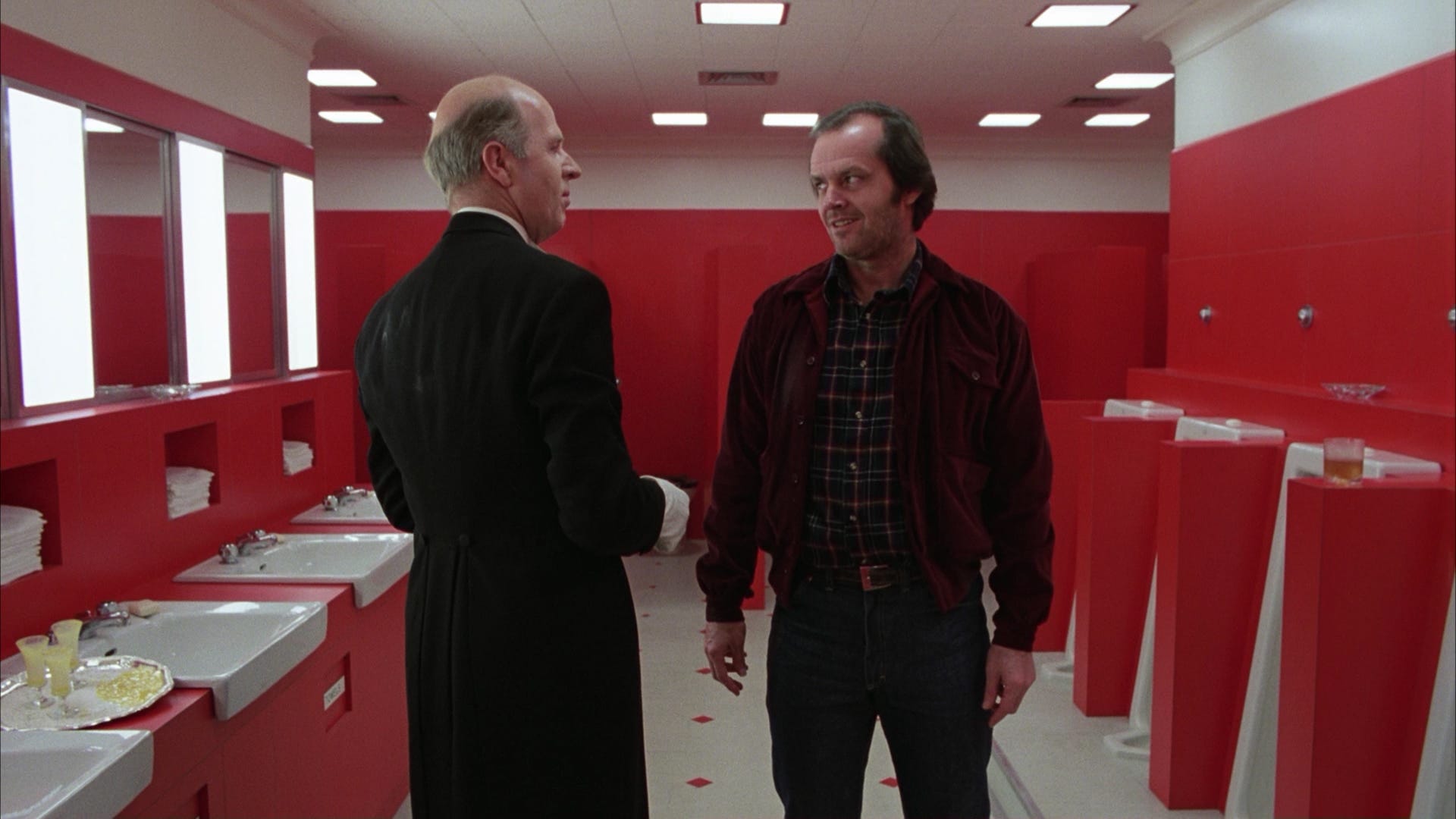
Producers attach connotations to specific colours, characters or objects, and a colour repeated across a film can grow into a motif. The associations are always context- and culture-dependent, but some are common:
- Red — passion, danger, romance, violence.
- Green — nature, or sickness and the uncanny.
- Blue — calm, or cold and depression.
- Yellow — warm and inviting, or a warning.
- Purple — royalty, or the other-worldly.
How to analyse colour
Describe the palette precisely — its range, its temperature, its saturation — note any moment it changes, and connect the choice to character, mood or theme. The strongest analysis explains not just what the colour is, but why a filmmaker chose it for this moment.