Media Codes & Conventions / Written codes
Written codes
Printed Language
Printed language is the written code of on-screen text within a media product — intertitles, subtitles, titles, credits and signs — used to anchor meaning and guide the audience’s reading.
Printed language is one of the oldest media codes — the use of written, on-screen text to carry meaning within a media product. From the intertitles of silent cinema to the subtitles, titles, credits and signs of modern film and television, printed language anchors how an audience reads a text and steers them toward a preferred meaning.
Together with spoken language it makes up the written codes of media — the language, written or spoken, contained within a product. And like any visual element, how the text looks — its typeface, size, colour and movement — is part of the message, designed through the same eye as mise en scène. There are four forms to look for: intertitles, subtitles, titles and credits, and diegetic text.
Intertitles
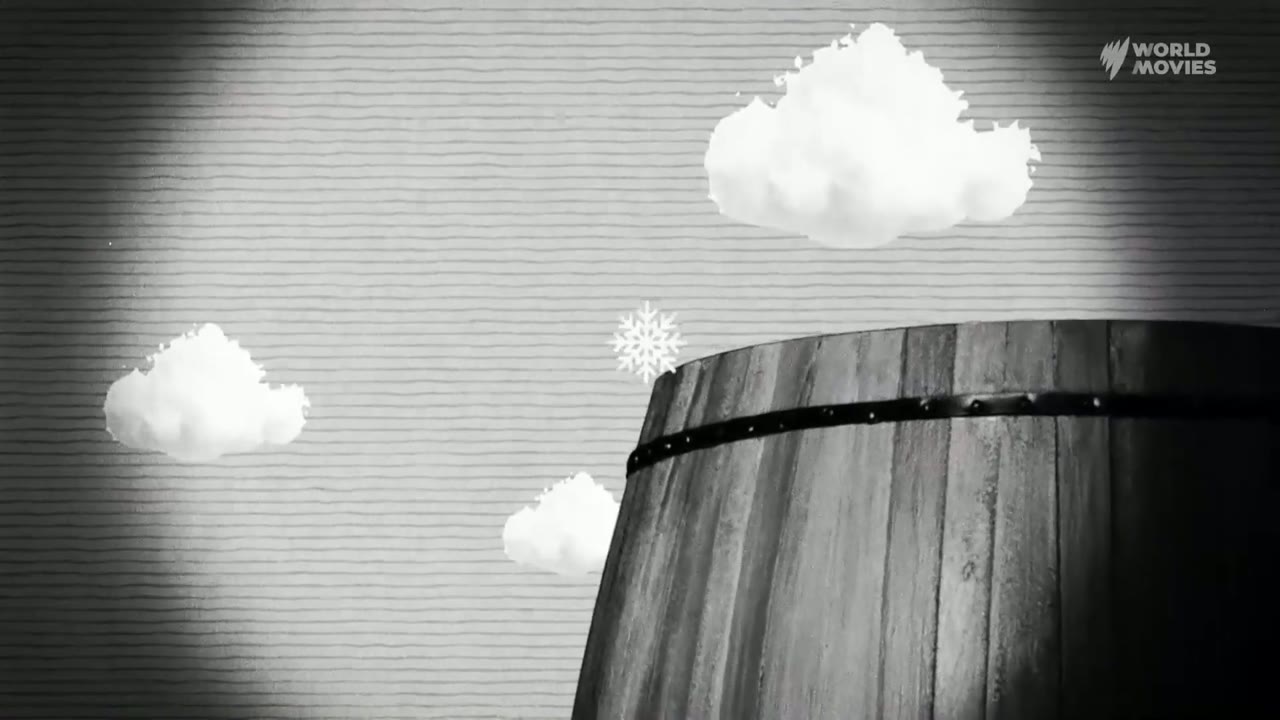
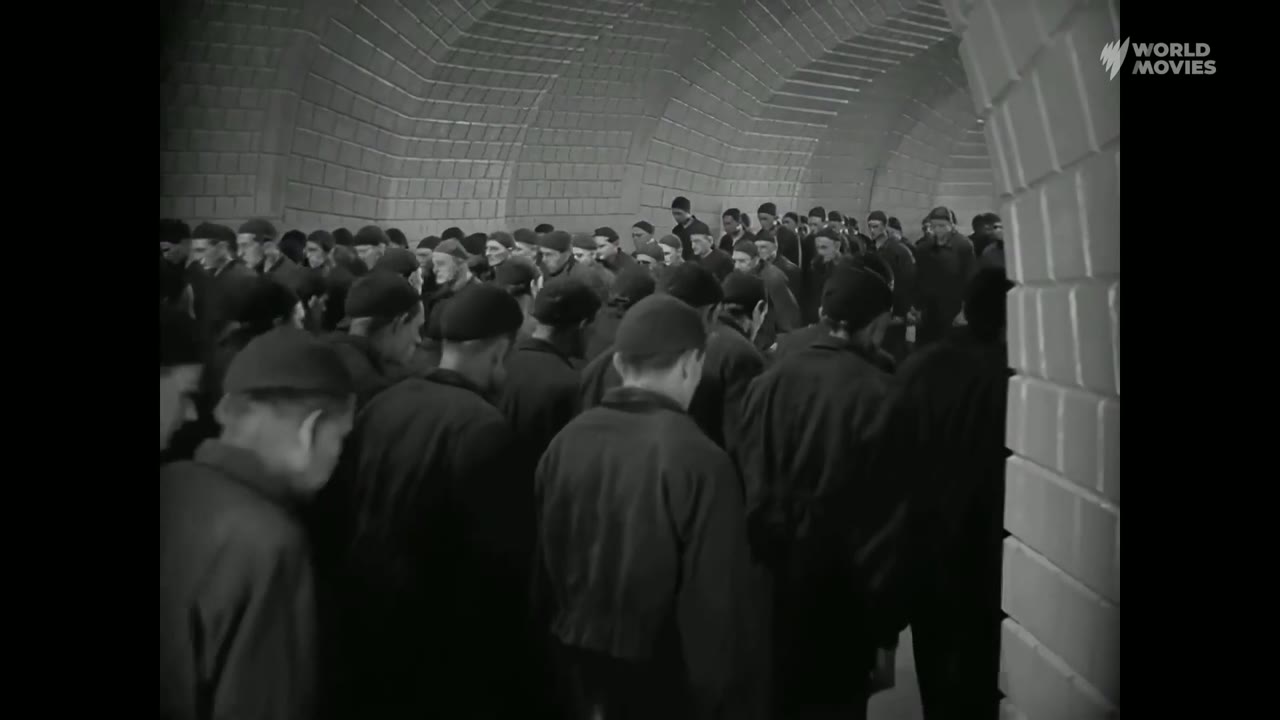
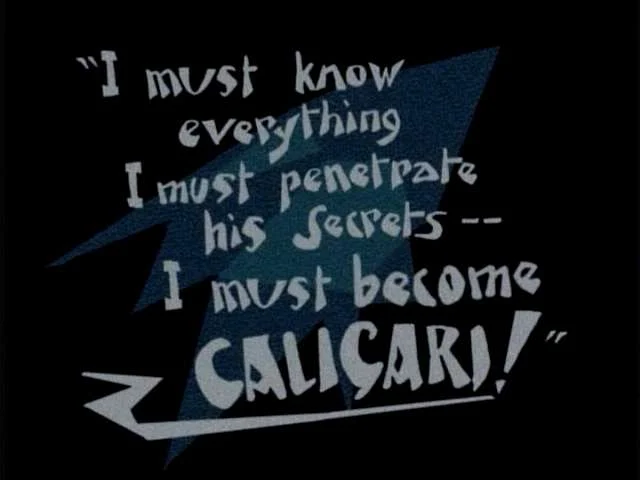
In the silent era, printed language did the work that synchronised sound could not. Intertitles — cards of text cut between the images — carried dialogue and supplied narrative context. They were never neutral: in the German Expressionist classic The Cabinet of Dr Caligari (1920), the stylised intertitles are part of the storytelling, their jagged, hand-drawn lettering echoing the film’s warped, nightmarish world. The lettering is characterisation.
Subtitles
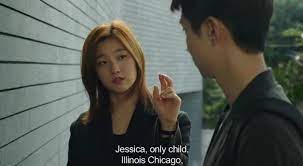
Subtitles translate dialogue for audiences who do not speak the language of a film, letting a story cross borders. When Parasite (2019) became the first non-English-language film to win the Academy Award for Best Picture, its director Bong Joon-ho joked that audiences who got past the “one-inch-tall barrier” of subtitles would discover a world of cinema — a reminder that printed language can be the thing that lets a story reach, and move, a global audience.
Titles and credits
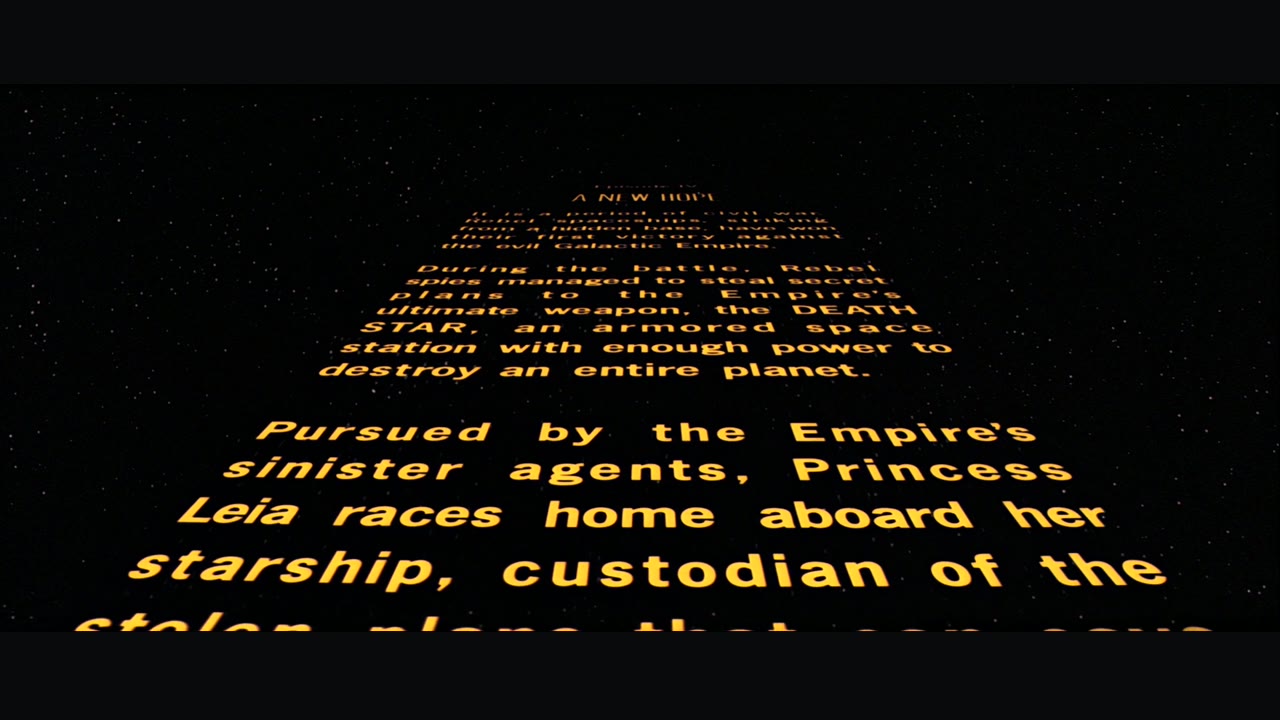
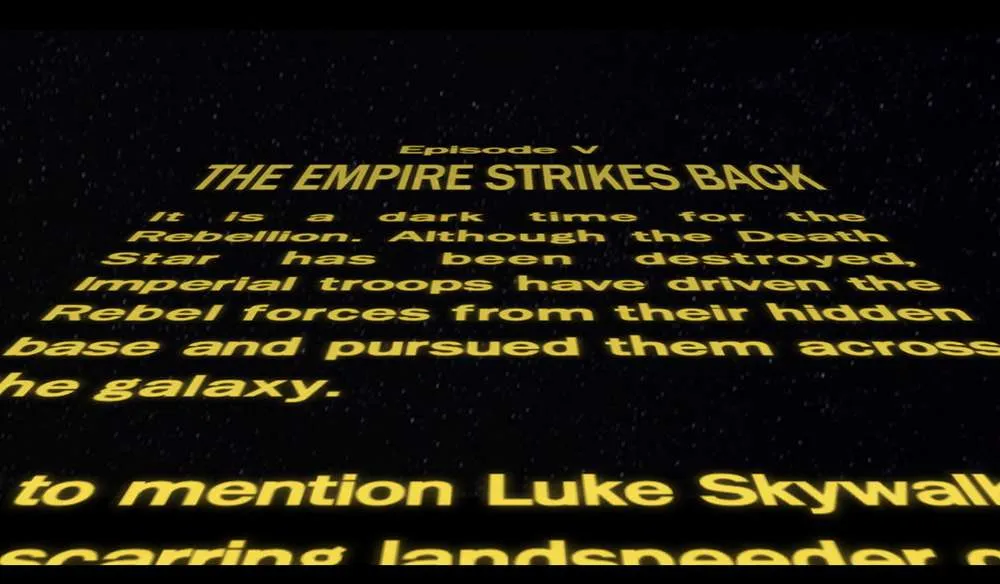
Credits acknowledge the cast and crew, while title sequences set tone before a story has even begun. The opening crawl of Star Wars (1977) is printed language as spectacle — its receding lines establishing the saga’s mythic, fairy-tale scale in a few sentences (“A long time ago in a galaxy far, far away…”). A title sequence is a film’s handshake: its font, pace and music promise the audience what kind of story they are about to be told.
Diegetic text
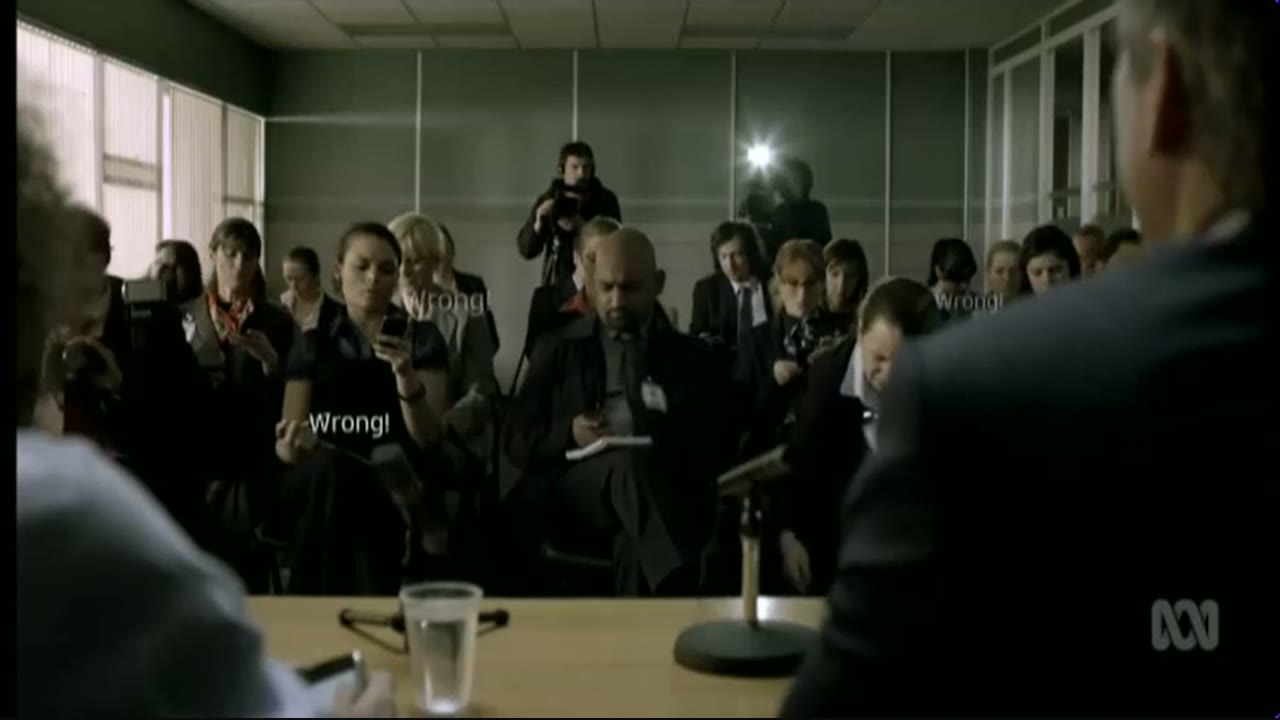
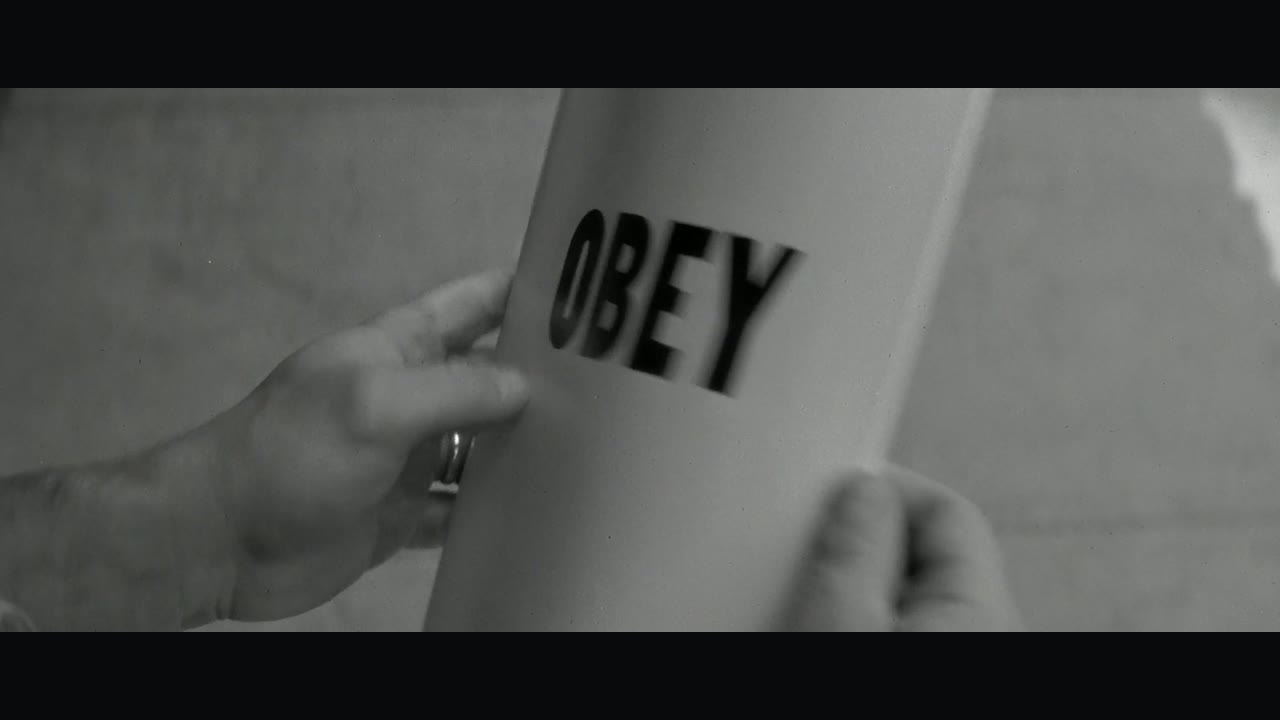
Printed language also lives inside the world of the story as diegetic text — a newspaper headline, a street sign, a shop front, a letter, a text message rendered on screen. Each is chosen to anchor a detail of meaning the filmmaker wants us to read: a headline that delivers exposition in a single beat, a neon sign that names a mood, an on-screen message that pulls a phone conversation into the frame. Because we read text almost involuntarily, diegetic words are an efficient way to plant information exactly where the audience’s eye will catch it.
How to analyse printed language
Don’t stop at what the text says — read how it is presented. Name the form (intertitle, subtitle, title, sign), then describe the typeface, size, colour, placement and any movement, and ask what those design choices add. Then connect it back to the audience: what does the printed language make us understand, feel or believe that the image alone could not?