Playback / Strangers on a Train
Strangers on a Train · 1951
Tennis Match Cross-Cut
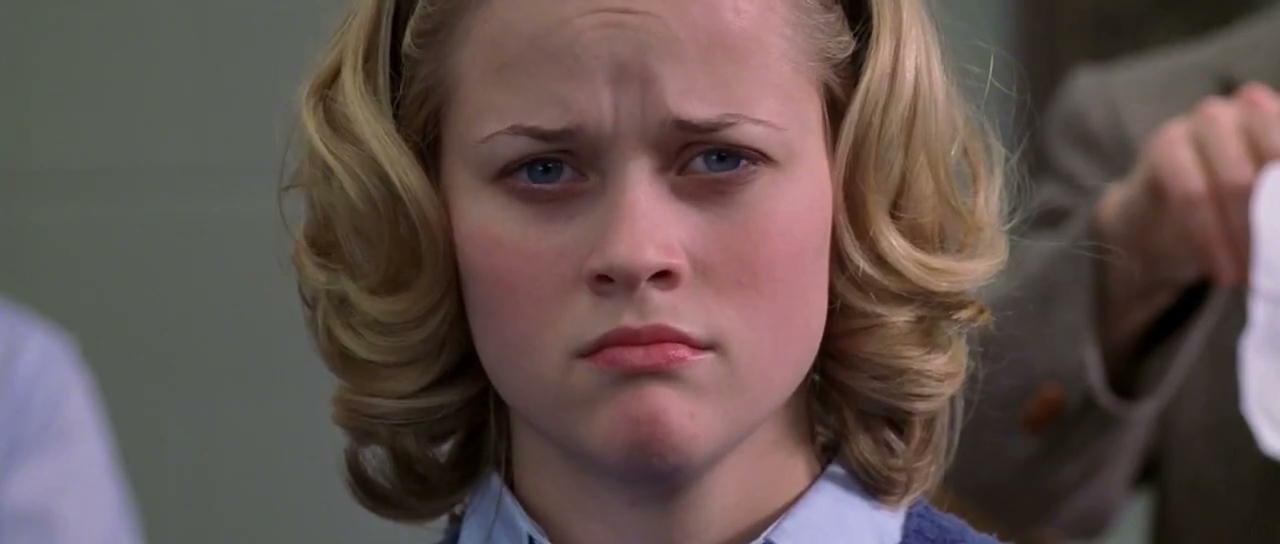
Hitchcock cross-cuts a tennis match Guy must win quickly against Bruno racing across town to plant evidence — two clocks running at once, the edit alone manufacturing the suspense.
Watch for
- The cross-cutting between Guy's tennis match and Bruno's frantic effort to plant the lighter.
- How two timelines are made to feel like one ticking clock, both racing the same deadline.
- The way Hitchcock builds suspense from two ordinary actions simply by intercutting them.
A worked reading · COCA
CContention
Hitchcock generates suspense from two unremarkable actions — a tennis match and a man reaching into a drain — purely through how they are cut together.
OObservation
The film cross-cuts between Guy trying to win his match quickly and Bruno struggling to retrieve a dropped lighter he means to use to frame him.
CConnotation
Intercutting the two makes them feel simultaneous and interdependent, so each cut tightens a shared clock neither character can see.
AAudience
We are wound between hope and dread — willing Guy on and Bruno's hand to fail — the edit turning two mundane tasks into unbearable tension.
Your turn
- Neither action — a tennis match, reaching into a drain — is dramatic on its own. How does intercutting them create suspense?
- How does the editing make the two timelines feel like a single deadline?
- Compare this with the Silence of the Lambs cross-cut. What is each edit doing to the audience?
For teachers
A foundational example of cross-cutting from the master of suspense, and classroom-friendly (1951). Pairs with the Editing page and the Silence of the Lambs scene.